VW Golf Bluemotion 1.6 TDi
Price: £18,365 (5dr), CO2 emissions: 99g/km

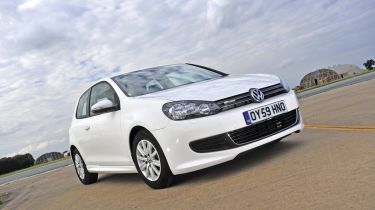
We love the Golf BlueMotion. It’s based on the solid foundations of our family class champ, and features lowered suspension, tidy alloys and stop/start. Add in low rolling resistance tyres, revised gearing and regenerative braking, and the VW takes some beating.
The BlueMotion comes as a three or five-door, and emits only 99g/km. Combined economy of 74.3mpg shows what the car is capable of – but it’s the way it drives that impresses most.
The blend of comfort and composure that marks out the standard Golf is still very much in evidence, and the handling can put a smile on your face.
Of course, the eco model isn’t the fastest in the range, but the 1.6-litre diesel still provides plenty of punch for lively performance. Miserly equipment and limited options are our biggest criticisms – but when you look at your running costs, this is a small price to pay.
Rating: *****