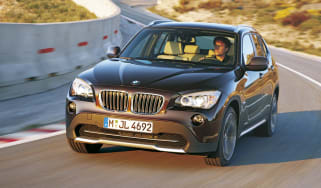
BMW X1 review

Our Rating:
3
3.0/5.0
By Auto Express Test TeamComments

The BMW X1 is a small crossover that rivals the Audi Q3 and offers more practicality than a 1 Series

For: 
Sharp handling, efficient diesel engines, decent amount of space
Against: 
Disappointing interior quality, awkward styling, heavy steering

Sponsored Links

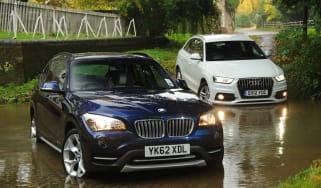
Following the huge sales success of the BMW X5 and X3, came the X1 – a compact crossover designed to take on everything from the MINI Countryman to the Audi Q3. It’s essentially a jacked up version of the 1 Series, but it’s never quite had the qudos and image of its larger siblings. In an attempt to improve its fortunes, BMW gave its smallest X car a mid-life facelift in 2012, with a sleeker new look and an improved interior. Two new trim levels were also introduced then - Sport and xLine - which add various styling upgrades and inject a little more personality into the range. There’s a range of punchy petrol and efficient diesel engines, with highlights including the 20d EfficientDynamics that can return 62.8mpg.  Entry-level sDrive models are rear-wheel drive, while more expensive xDrive versions come with proper four-wheel drive for greater off-road ability. But the X1’s biggest pus point is its lower starting price – it undercuts both the Q3 and the more desirable Range Rover Evoque here.

Our choice: X1 sDrive 20d SE

Styling

3

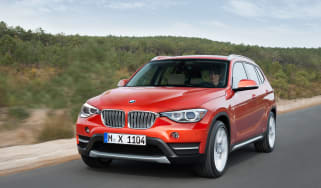
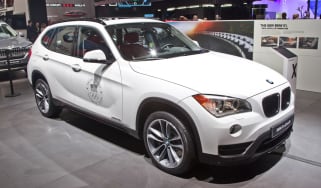
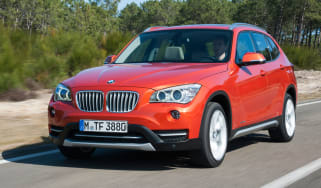
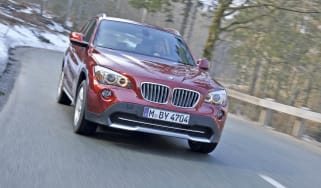
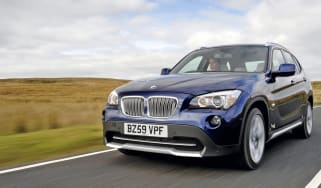
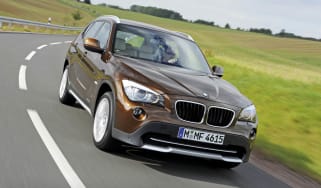
When the BMW X1 was launched back in 2009, it looked just like a shrunken X3. However, the design didn’t suit the more compact dimensions and the rugged black bumper trim really didn’t help matters. It just looked awkward and aggressive, lagging miles behind the Audi Q3 and newer Range Rover Evoque in the style stakes. It has since been facelifted and, although it’s still very much recognisable as an X car, the harsh creases have been smoothed out. It’s still not the prettiest of cars, but the overall look is softer and less utilitarian. New headlights flank a sleeker nose, with chrome rings around the LED daytime running lights (if you choose the optional xenons), new foglight surrounds and there’s only a touch of black on the bumpers. The interior has also been improved, with a redesigned centre console and better quality materials. It’s a shame that some of the materials still look and feel a bit low rent, though, particularly the storage box on the centre console. There are four trim levels to choose from – SE, Sport, xLine and M Sport – but all cars come with 17-inch alloy wheels. xLine cars get 18-inch alloys, extended bumpers and sideskirts, a silver painted grille and air intakes, as well as unique colour choices and ‘X’ embossed seats. Sport models also come with larger bumpers and side skirts, as well as a gloss-black grille, red-trimmed sports seats, red detailing on the leather gearshift and exclusive alloy wheel designs.

Driving

3.6

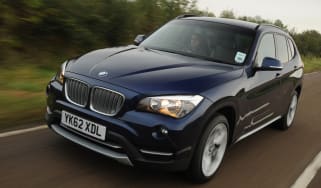
You expect a BMW to work better on-road than it does off, and the X1 is no exception. It doesn’t have the lofty SUV-like driving position of the Q3, but the seats are comfortable and the interior wraps around you in typical BMW fashion, reflecting the company’s driver-focused values. There’s very little body roll and lots of grip, but the steering is very heavy at low speed, which makes it hard work in town. Things do improve once you’re up to speed, though, as the steering is precise and offers plenty of natural feedback. It’s also worth noting that the ride can feel crashy on larger alloys and decidedly uncomfortable on M Sport versions , which are best avoided. The standard six-speed manual gearbox works well but the new eight-speed auto is better still. It matches up well with the 2.0-litre diesel engine in the 25d and gives effortless overtaking power with the lightest flick of the foot.

Reliability

4.2

The BMW X1 was awarded a full five-star Euro NCAP rating when it was first tested in 2011, and again when it was retested a year later, with a score of 87 per cent for adult occupant protection and 71 per cent in the safety assist category. This is because all versions come fitted with ESP as standard, as well as seatbelt reminders for the driver and front passenger, Isofix child-seat fixing and a full complement of airbags. Options such as a reversing camera and adaptive headlights are also available. However, as with any rear-wheel-drive car, the X1 may not prove as reassuring on wet or icy roads as its front or four-wheel-drive rivals. As for reliability, the X1 hasn’t yet featured in the Driver Power customer satisfaction survey, but its larger sibling, the X5, came a respectable 36th place in the 2012 results. An impressive third-place finish for comfort and 10th for a 4x4 in the performance chart are all good indicators, however, owners were clearly less pleased by its higher than expected running costs, and it came 98th in that category. BMW finished 14th overall as brand, though, just ahead of archrival Audi.

Practicality

3.6

The X1 is 108mm shorter than the Q3, which means it trails its rival in the practicality stakes. The X1 has a 420-litre boot, which is 40 litres less than the Audi and a full 155 litres less than the Range Rover Evoque. The rear seats fold to create a 1,350 load area, though, which is only 15 litres less than the Q3. There’s a decent amount of storage scattered around the cabin, too, especially if you go without sat-nav – then, a large bin in the centre of the dash fills the gap where the screen would be. The front seats are spacious, with plenty of adjustment ensuring there is no trouble finding a comfortable driving position. However, unlike many crossovers the X1's low driving position means that there is no real benefit to the raised ride height and thick C-pillars and a small rear screen make it tricky to reverse park in town. There’s enough space in the back seats for two adults to sit in comfort, however there isn’t any more legroom than in the average family hatchback, plus its small rear doors make accessing the back seats tricky.

Running Costs

4

The X1 is the smallest and cheapest member of the ‘X’ family, and BMW has worked hard to ensure its running costs are kept to a minimum. The rear-wheel-drive sDrive models offer decent economy, with the 16d and 18d models both delivering an official fuel consumption figure of 57.6mpg and CO2 emissions of 128g/km - nearly identical to a similarly specced, front-wheel-drive, Audi Q3 2.0 TDI. Only one model manages to better those figures and that is the 20d EfficientDynamics, which returns average mpg of 62.8 and emits 119g/km of CO2, making it free to tax for the first year of ownership. These figures are especially impressive considering the 0-62mph time of 8.3 seconds. It’s a different story when it comes to the petrols, though, as the four-wheel-drive 20i manages just 37.7mpg and emits a hefty 176g/km of CO2. Standard kit isn’t exactly class leading but it is generous enough, so it’s best not to get too carried away with the options list Things like sat-nav, and leather can cause the price of an X1 soar. A range of fixed-price servicing deals should help to keep running costs in check, but the X1 can’t match the Q3 for residual values.

Disqus - noscript

what BMW get so right with most of their cars they get so wrong with any small SUV they try!

Wrong! The X1 is based on a 3 series touring platform, not a 'jacked up version of the 1 series'. Get your facts right and your poorly judged opinion may be worth something...

Last updated: 19 Apr, 2013
Auto Express Issue 1,272
For more breaking car news and reviews, subscribe to Auto Express - available as a weekly magazine and on your iPad. We'll give you 6 issues for £1 and a free gift!

Sponsored Links