Peugeot 407 Saloon review (2004-2011)
The 407 boasts a fine ride and very refined diesel engines, but its practicality is compromised by that stand-out style.


Driving
The 407 range offers an impressive range of smooth diesels alongside less impressive petrol units - and customers respond accordingly, with diesels taking 80 per cent of all 407 sales. 1.6-litre, 2.0-litre and 2.2-litre HDi units make it easy to forget they need to be filled at the black pump. There's also a 2.7-litre V6 diesel; the unit is shared with Jaguar, and has long been renowned for its refinement and hefty punch. The chassis is well suited to the smooth motors too, as the 407 is a relaxed companion. The ride and handling compromise is pretty much perfect - comfortable on rough city roads, while retaining decent body control at higher speeds. Push hard and the 407 comes alive; the sharp turn-in helps to make it an involving car to drive, although the ESP does have a tendency to activate too early. The gearlever action itself is less impressive though; long ratios are shifted between imprecisely, making quick changing a tricky business and hindering off-the-line acceleration. Automatic units are unexceptional, too.
Marketplace
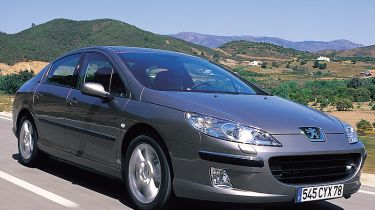
Say what you like about the proportions of the 407, but you can't deny it stands out from run-of-the-mill family saloons. However, the rakeish headlights, stubby tail and cab-forward stance can't divert attention away from the nose; the lengthy overhang is the 407's most questionable aspect. It comes in three guises - a coupe-like four-door saloon, an actual two-door coupe, and the dramatic SW estate. All share the same gaping grille and swept-back headlights, while short rear overhangs work particularly well in SW guise. Fleet-focused trim lines are all well equipped, with GT models proving lavish in the extreme. However, more affordable S and SE trims should have all you need, including eight airbags (with two more side bags optional in the rear). Natural rivals are the Ford Mondeo, Renault Laguna, Vauxhall Vectra and Volkswagen Passat, all of which offer an estate version - though only VW, like Peugeot, chooses not to offer a hatchback version.
Owning
Good styling doesn't always equal good practicality. The saloon's boot is average and, as a load-lugger, the SW is compromised. The angled tailgate eats in to the load area, and there's limited vertical space - even folding the parcel shelf out of the way is awkward. Worse still, a deep sill hinders the boot aperture, and even folding the rear seats only yields a paltry maximum load area of 1,341 litres. Rear legroom is at a premium as well. But build quality can't be faulted and while the button-laden centre console looks cluttered, the 407 is a comfortable car to sit in, that by and large is extremely well-equipped, too. It's generally a very economical car, once again, particularly in HDi diesel guise. 20,000-mile service intervals are impressive but you should watch depreciation rates. They hover around the low-30s mark, meaning after three years, the 407 loses two thirds of its value.