Bulbs - We test 30
A new set of headlight bulbs will help you see more easily on the road this winter. Our experts pick from 30 of the best...

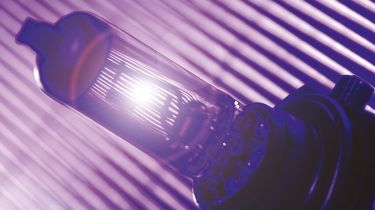
As the nights draw in, many of us will be driving in the dark – so,now is the time to take a good look at your headlights. Technicalinnovations in recent years have seen even the most basic bulbs given amajor performance boost.
Top-of-the-range versions now boastup to 90 per cent more light 75 metres in front of the car thanstandard lamps. Last year, we saw major improvements in dip and beam H4bulbs, but does the technology work with single-filament lamps? Weheaded to Philips’ light tunnel in Aachen, Germany, with the UK’stop-selling design, the H7, to find out.
Our test of 30bulbs revealed major differences – even between items from the samepack. So, be sure to get your headlights adjusted after fitting a newset. Without realigning, you won’t make the most of any increase inperformance, and could end up with dangerously low levels of light ormasses of glare for oncoming drivers.
The test
At theheart of this test is the amount of light a bulb puts on the road. So,we adjusted each product in a BMW 1-Series headlamp until the glare waswithin legal limits. We then measured the light at 50 metres on thekerb and in the centre of the road, plus at 75 metres.
Used - available now

2020 BMW
X5
20,230 milesAutomaticDiesel3.0L
Cash £51,990
2015 Fiat
500
47,318 milesManualPetrol1.2L
Cash £4,450
2025 Toyota
Yaris
20,413 milesAutomaticPetrol1.5L
Cash £16,790
2021 MINI
Convertible
59,055 milesManualPetrol1.5L
Cash £10,995Toget our beam rating, we used an industry formula, adding the 50-metrereadings and doubling the 75-metre figure – where light is needed most.We took an average from our two bulbs; the higher the rating thebetter.
Our contenders were divided into five categories,based on performance claims or style. We corroborated the results inthe upgrade sectors (plus 30, plus 50 and 50 plus) by measuring thefilament’s light output.
Three long life bulbs wereincluded this year, but as their longevity would take months to prove,we’ve only given their beam ratings. All the bulbs were bought orselected from several samples to avoid filtering. Price wasn’t key, asit can vary so much. The figures quoted are for a pair, and do notinclude any delivery costs.
Verdict
When it comes to H7 performance bulbs, Philips has the edge – and rivals are playing catch-up. The brand takes the win in all the upgrade categories, plus the style-conscious blue sector. If you need a standard lamp, look no further than Ring – it delivered a beam that matched several so-called performance bulbs.
Standard: Ring Autobulbs
Plus 30: Philips Premium
Plus 50: Philips VisionPlus
50 Plus: Philips X-treme Power
Blue: Philips BlueVision
Contacts
* A1 Motor Stores (Autobar), 01455 822000, www.a1motorstores.co.uk
* Bosch 01895 838551, www.bosch.com
* GE 01283 216123, www.smpautobulbs.co.uk
* Halfords 08457 626625, www.halfords.com
* Osram 01744 812221, www.osram.com
* Philips 01293 776774, www.philips.com
* PIAA 01978 664466, www.demon-tweeks.co.uk
* Ring 0113 213 2000, www.ringautomotive.co.uk