Car tax bands: 2026/2027 VED bands explained
Our guide to the VED road tax bands for cars first registered from 1 April 2017 onwards

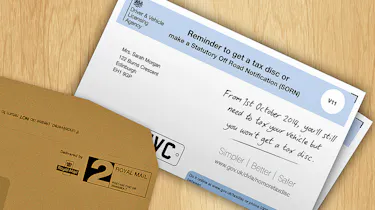
For most drivers, car tax, also known officially as Vehicle Excise Duty (VED) or road tax, is an inescapable aspect of car ownership. Furthermore, it brings with it the annual struggle of deciphering the latest tax band changes, as the HM Treasury tries to squeeze as much cash as possible from drivers.
On 1 April 2026, the latest set of changes to road tax for new cars came into force. This saw the existing VED band structure adjusted for inflation once again, with the standard flat rate hitting £200 per year.

Auto Express has looked at the figures issued by the DVLA, and below you can check exactly how much you'll pay in road tax for your next new car in the 2026/27 financial year.
How much road tax will I pay?
If you buy a new car, the car's price isn't just what the manufacturer expects you to pay for it, as there are additional costs included.
There's VAT, which is charged at 20 per cent, for starters, and there's a registration fee – for the number plates and getting the V5C log book from the DVLA – and any delivery charges that the dealer will also add.
Plus, there's VED, which for the first year of a car's registration is calculated differently to the rest of its life. In this article, we're concentrating on the amount buyers will pay as part of a new car's first year 'on-the-road' costs and each year after that. It all comes down to the UK's car tax bands.
For the first year, VED is calculated on the car's carbon dioxide (CO2) emissions, though diesel cars that do not meet the RDE2 (Real Driving Emissions 2) emissions standard pay a higher rate. Our table below shows how much you'll pay if you buy a new car today:
VED car tax bands for cars first registered from April 2017 onwards
| Emissions (g/km of CO2) | Petrol, RDE2 diesel and alternative fuel vehicles first-year rate | Non RDE2 diesel cars first-year rate |
| 0 | £10 | £10 |
| 1-50 | £115 | £135 |
| 51-75 | £135 | £280 |
| 76-90 | £280 | £365 |
| 91-100 | £365 | £405 |
| 101-110 | £405 | £455 |
| 111-130 | £455 | £560 |
| 131-150 | £560 | £1,410 |
| 151-170 | £1,410 | £2,270 |
| 171-190 | £2,270 | £3,420 |
| 191-225 | £3,420 | £4,850 |
| 226-255 | £4,850 | £5,690 |
| Over 255 | £5,690 | £5,690 |
Petrol, diesel and hybrid cars priced above £40,000, or electric cars priced above £50,000 pay a £440 annual supplement for five years from the second year of registration. This is known as the Expensive Car Supplement (ECS) or luxury car tax.
VED tax bands after the first year
The last major set of UK road tax changes in April 2017 saw a fixed rate of road tax applied to cars after their first year of registration, and these new VED rates are not retrospective so can't be applied to older cars.
So after the first year rate mentioned above, road tax is set at £200 per year, which is £5 more than in the 2025/26 financial tax year.
If you choose to pay your car tax every six months, or via Direct Debit, it will cost you slightly more over the course of twelve months. We’ve broken the costs down in the table below:
| Fuel type | Single 12-month payment (Non Direct Debit) | Single 12-month payment by Direct Debit | Total of 12 monthly payments by Direct Debit | Single 6-month payment (Non Direct Debit) | Single 6-month payment by Direct Debit |
| Petrol, diesel and alternative fuel cars | £200 | £200 | £210 | £110 | £105 |
| Petrol, diesel and alternative fuel cars including the ECS | £640 | £352 | £672 | £352 | £336 |
Car tax is a complex topic, which is why we’ve covered the different types in more detail on our dedicated pages. They may be useful if the article above hasn’t answered your questions:
- Car tax 2026: how much VED road tax will I pay?
- Company car tax guide
- Double-cab pick-up truck tax guide
- Electric car tax
- Expensive Car Supplement explained
Want the latest car news in your inbox? Sign up to the free Auto Express email newsletter...