Fiat Panda 4x4 (2012-2022) review
The four-wheel-drive supermini is a rare thing, but we’re glad that the Fiat Panda 4x4 exists


Just so you know, this is an older review of the 2012-2022 Panda 4x4. If you are interested in information about the current Fiat Grande Panda, or news about the latest Fiat models, please follow the links provided.
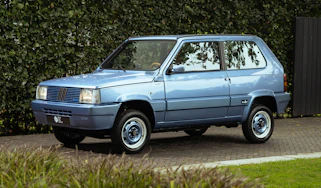
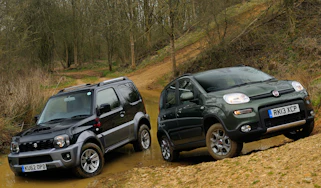
Putting a hefty 4x4 system into a compact city car doesn't sound like a great idea but it's clear that Fiat knows what it's doing with its Panda 4x4. The Fiat Panda 4x4 first arrived in 1983 and 6.5 million sales since then prove that it's a hit with customers around the world.
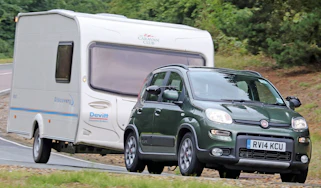
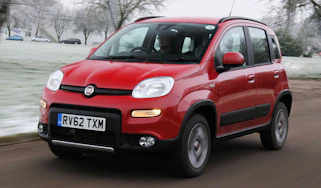
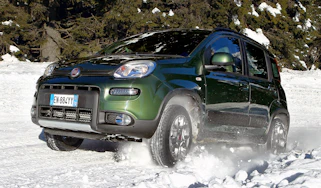
Fiat hasn't just added a four-wheel drive system to the Panda, either. Special steel bash plates, black plastic bumpers and wheelarch extensions, raised suspension and a new electronic rear differential have also been added, which means you actually can take the Panda 4x4 off road with confidence.
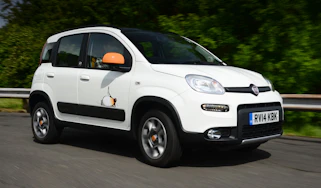
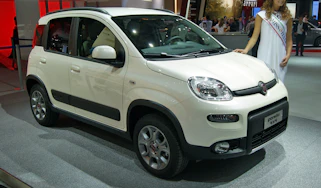
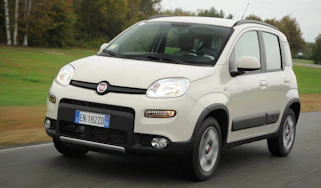
The car comes in two specifications, the standard 4x4 and the new 4x4 Antarctica edition. The latter gets a white paintjob and black roof, new alloy wheels, new interior upholstery and an optional penguin decal. Engines include a 74bhp 1.3-litre diesel or a 84bhp 895cc two-cylinder TwinAir turbo petrol unit.
If you don't think you'll be needing the full four-wheel drive system, the Panda Trekking model is for you: it gets the same engines and chunky looks as the 4x4 for around £1,500 less.
Engines, performance and drive
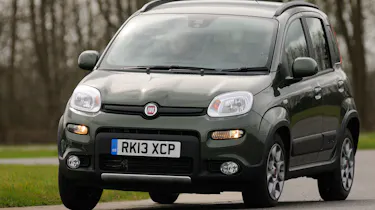
The Fiat Panda is a fairly stylish city car and the 4x4 only builds on that, adding plastic exterior trim and a chunky look to make it looks a bit more rugged. Larger bumpers, a scuff plate to keep the engine protected on rough ground and plastic protection on the sides of the car all add to the 4x4 look, while improving off-road ability.
Used - available now

2024 Mercedes
EQB
40,098 milesAutomaticElectric
Cash £22,500
2022 MINI
Cooper Electric
57,836 milesAutomaticElectric
Cash £13,246
2023 Volvo
XC40 Recharge
58,427 milesAutomaticElectric
Cash £21,090
2026 Tesla
Model 3
48,625 milesAutomaticElectric
Cash £25,995All Panda 4x4s come with special 15-inch alloy wheels with mud and snow tyres. There's also an extra button behind the gearlever which activates the EDC. The interior gets the 'rounded square' appearance from the normal Panda and a clean layout.
The high driving position means visibility is great and the Panda is easy to park thanks to the short overhangs and light steering.
MPG, CO2 and Running Costs
With small-capacity engines and a lightweight body, the Panda 4x4 is pretty economical despite the addition of all-wheel-drive. The petrol TwinAir engine returns 57.6mpg and emits 114g/km of CO2, while the Multijet diesel manages 60.1mpg and 125g/km.
There's lots of standard equipment, because the 4x4 is one of the higher-specification models in the Panda range. A split folding back seat and third headrest and seatbelt are still on the options list though, and the price is high compared with the larger and more practical Dacia Duster.
You could choose the Panda Trekking if you don't need full 4x4, however: it gets the same equipment and looks as the Panda 4x4, but only has front-wheel drive, making it cheaper to buy and even cheaper to run.
Interior, design and technology
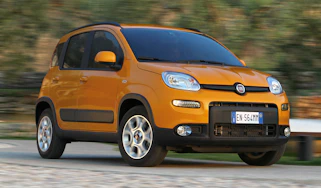
The Fiat Panda is a good-looking supermini, and the 4x4 adds some chunky additions to its cheeky charm. There are chunkier bumpers front and rear, and black plastic side sills which fend off glancing blows from rocks and tree roots. The thick plastic which runs across the doors on all Panda models now features a 4x4 logo, while all cars come with unique 15-inch alloys wrapped in tyres designed for use in mud and snow. There are two special exterior colours - orange and green - and the interior now features an extra button behind the gearlever which activates the EDC. The Trekking version gets black plastic rather than silver skid plates and silver alloy wheels instead of grey. Inside, the the 4x4 uses the same robust trim as the standard Panda, so it gets the 'rounded square' appearance and an easy to use layout. The tall driving position gives the driver an excellent view of the road ahead and the short overhangs make it simple to park.
Practicality, comfort and boot space
The Fiat Panda 4x4 gets a decent 225-litre boot, and optional 60:40 split folding rear seat, so it's practical enough for a small family. There's plenty of room for trips to the dump with the rear seats down, and enough space for two extra adults in the rear with the seats up.
There's lots of headroom too, even if it can't comfortably carry quite as many passengers or as much luggage as the rival Dacia Duster.
There is plenty of storage space around the cabin too, with two big glove boxes, two cup-holders, decent door bins and extra storage in the centre console, while the backrest of the front passenger seat folds down, too.
Reliability and Safety
The Fiat Panda received a four-star rating out of five from the safety experts at Euro NCAP, which lags behind the five-star scores we have come to expect from the best city cars. However, that score was mainly because ESP is an option on the standard model - and the 4x4 gets it as standard.
The rival Dacia Duster, actually only scored three stars, so the Panda will be a more attractive choice for those concerned with safety.
Fiat claims that the clever centre coupling for the four-wheel drive is maintenance-free, so the extra parts shouldn't mean extra worries over the standard Panda. The Panda 4x4 only finished 143rd in the top 150 cars in the 2013 Driver Power survey, however, which is a disappointing finish for the baby off-roader.