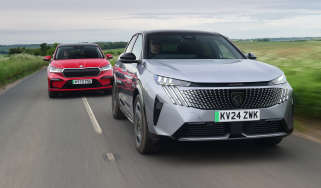
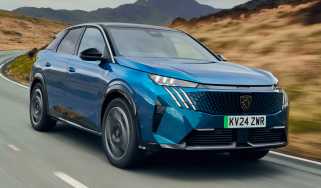
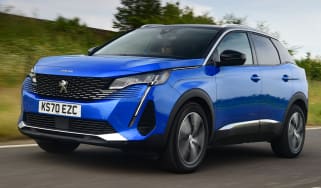
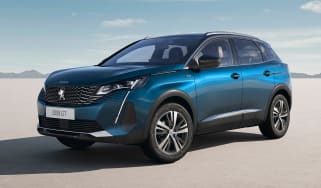
New 2024 Peugeot 3008 Hybrid GT review: cheaper but less powerful than the EV
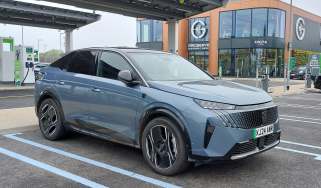
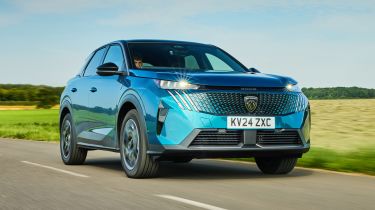
New hybrid powertrain opens up Peugeot’s stylish mid-size SUV to even more buyers, but it isn’t exactly flawless


Verdict
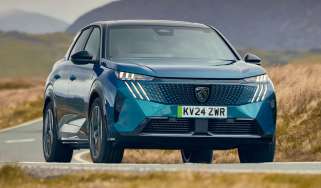
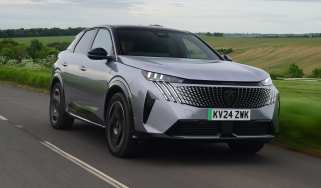
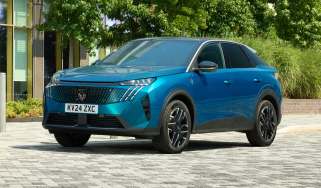
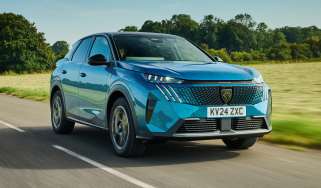
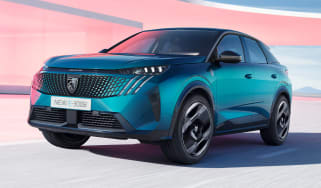
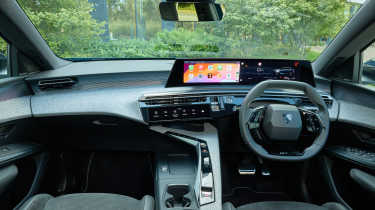
This hybrid model opens up the stylish new Peugeot 3008 to a wider audience than the pure electric car. As with the EV, the cabin is stunning and dominated by the huge 21-inch infotainment screen, although that does have usability issues. To drive, the hybrid also feels more comfortable than the E-3008 over bumps, but it’s still not the most cosseting of SUVs, and the powertrain could be quicker to respond.
Peugeot’s new 3008 is a fine example of a modern car launch – kick off with the headline-grabbing electric model, before quietly sneaking in the one likely to be more popular in the short term.
The hybrid version of the eye-catching mid-size SUV boasts significantly less power (134bhp versus the E-3008’s 207bhp), but on the flip-side, it’s over £11,000 cheaper. It’s arguably more practical for anyone not yet willing or able to take the plunge into EVs, too.
Power comes from a 1.2-litre turbocharged engine, backed up by a small electric motor capable of running the car on the battery alone for short bursts – but only if you’re incredibly light on the throttle. Even thinking about wanting to accelerate is enough to have the engine kick in again, so you’ll find it regularly ticking over at steady urban speeds. It’s also a shame there’s no display to help you know how far you can push to keep the car in EV mode – as you get on Toyota hybrids, for example.
Used - available now


Performance is better than it looks on paper. A 0-62mph time of over 10 seconds doesn’t sound great, but once it’s rolling, the powertrain provides a decent amount of oomph. The 3008 Hybrid is also not the most refined under acceleration, and the six-speed automatic transmission’s shifts are noticeable rather than seamless, although still smooth.
The worst part, however, is the pause before it gets rolling – there’s a noticeable gap between prodding the throttle and the delivery of forward motion. It’s not the first car to suffer this, but needing to plan when pulling onto a busy roundabout, for example, is a frustrating trait. As is the lack of an auto-hold; lazy people will find it annoying to have to hold the car on the brake or engage the electronic handbrake at traffic lights.
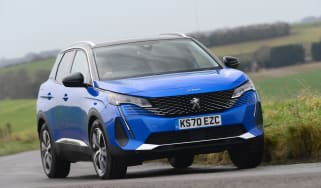
We’ve been very critical of the harsh ride quality of the electric 3008, but the combination of slightly smaller wheels (19-inch alloys versus the EV’s 20s in like-for-like GT spec) and more than half a tonne less to lug around, seems to have made a difference. And while it’s not the most cosseting of SUVs, the ride quality here isn’t a stand-out negative like it is with the EV.
Body roll is well controlled, and the incredibly light and quick steering means the 3008 is a doddle to manoeuvre around town. But it doesn’t provide the level of feedback and response that encourages quicker driving. At least the rest of the family will be pleased with a more sedate drive.
They’ll also be pleased with the cabin quality, which is impressive for its design and materials. The high central stowage area makes the two front seats feel a little like individual pods, which may be a good thing or a bad thing depending on how you view your front seat partner.
The huge single 21-inch curved screen brings dashboard and infotainment together – a statement feature when you get in, but it has some useability flaws when you’re trying to operate functions on the move. The swipeable home screen does at least give easy access to climate controls and the heated seats and steering wheel, standard only on the GT spec, rather than burying them in menus, but some haptic feedback so you can tell when you’ve successfully prodded one, would be nice.
The cabin also boasts some deep stowage bins, so there’s plenty of places to stash a wealth of belongings across the front of the car, and the seats are comfortable and supportive. Rear-seat passengers will find a decent amount of space and the boot’s 588 litres is bigger than most key rivals.
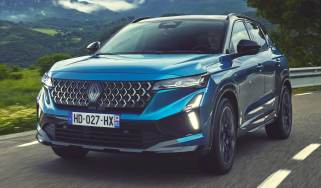
The 3008’s trouble is that all the lovely interior and the stylish looks come at a price. Peugeot has been trying to move up half a class and away from the mainstream players in recent years, into a space between the likes of Hyundai and Nissan and premium brands such as BMW and Audi. But that means higher prices; the 3008 GT costs more than top-spec versions of the Nissan Qashqai, Volkswagen Tiguan or our favourite mid-sized SUV, the Hyundai Tucson – and all can offer more power, plus comparable fuel economy.
It just makes the 3008 – a good-looking car with a lovely interior and good levels of practicality – a bit of a hard sell. Especially as the hybrid system doesn’t break new ground for efficiency, power or driveability. It’s a very pleasant car to sit in, but the numbers and the driving experience don’t quite add up to make it a hit.
| Model: | Peugeot 3008 Hybrid GT |
| Price: | £38,160 |
| Powertrain: | 1.2-litre 3cyl turbo petrol MHEV |
| Power/torque: | 134bhp/230Nm |
| Transmission: | Six-speed automatic, front-wheel drive |
| 0-62mph: | 10.2 seconds |
| Top speed: | 125mph |
| Economy/CO2: | 44.6mpg/124g/km |
| L/W/H: | 4,542/1,895/1,641mm |
| On sale: | Now |
More reviews
Car group tests
In-depth reviews
Road tests
Used car tests