Fuel prices aren’t rising, but petrol stations are slow at passing on savings
The CMA will publish another detailed report in the Autumn as fuel retailers drag their feet in passing on wholesale price decreases

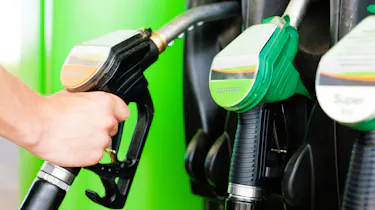
Petrol stations aren’t using the Iran war to inflate prices, but they are sluggish at implementing and informing consumers of any cost fluctuations. Analysis from the UK’s chief regulator has raised concerns about how fuel sector practices continue to contribute to a lack of competition which, in turn, keeps prices high for consumers.
Commissioned by the Government in light of the conflict in the Middle East, the Competition and Markets Authority’s June report states how the watchdog is yet to uncover any evidence of price gouging by the fuel retail sector. Ever since the war began, both the Government and campaigners have been suspicious of petrol station pricing practices, something the industry has heavily criticised; in March the Petrol Retailers Association said “inflammatory language” has led to forecourt workers receiving abuse from members of the public.
The CMA’s latest publication follows on from reports in June and March which both also struggled to identify any evidence of price gouging by the sector. Chief executive, Sarah Cardell, said: “We know prices at the pump are putting real pressure on drivers’ pockets and our monitoring plays an important role in giving drivers confidence that retailers are not taking advantage of the conflict in the Middle East.
“We will continue to monitor prices and margins closely and expect any reductions in wholesale prices to be rapidly and fully passed on to drivers.”
What could well be keeping prices high, however, is the sluggish response many retailers have when it comes to passing on wholesale fuel price decreases to consumers – a practice known as “passive pricing”.
The CMA says “some retailers did not immediately pass reductions in wholesale diesel prices on to drivers” and with this in mind, will publish a more comprehensive review into practices in the autumn.
Head of policy at the RAC, Simon Williams, described the usage of passive pricing strategies as “concerning”, urging the CMA to “compare fuel retailing in Northern Ireland with the rest of the UK, because petrol and diesel are currently being sold there for an average of 8p less a litre – meaning the cost of filling a family car in Northern Ireland is around £4.40 less than elsewhere. If fuel can be sold there at lower prices, then it seems drivers elsewhere aren't being treated fairly.”

Also part of the effort to increase competition between retailers is the Fuel Finder scheme, which allows consumers to view live pricing data. Yet while 97 per cent of forecourts are signed up to it, many sites are not keeping information up to date; July analysis by the Press Association suggested 1,750 of the UK’s more than 8,300 forecourts had not provided any price updates in over a week.
The CMA, on the other hand, says the “overwhelming majority” of retailers are complying with rules, but did point out that over 1,100 letters and 53 compliance notices had been issued following the end of the scheme’s grace period in April. “Most registration issues are resolved quickly once retailers are contacted,” the watchdog claims.
At the time of writing, the average price of petrol and diesel stands at 159.97 and 178.97 pence per litre respectively – 22.7 and 29.8 pence higher than it was before the start of hostilities. “The current situation shows just how volatile fuel prices are and how drivers in the UK are at the mercy of global events,” Williams said.
Did you know you can sell your car through Auto Express? We’ll help you get a great price and find a great deal on a new car, too.