Death of the manual car: shock new data shows record low demand
Just 7.9 per cent of Marketplace enquiries so far in 2026 have been for manual cars, with experts suggesting the transmission could be dead by 2030

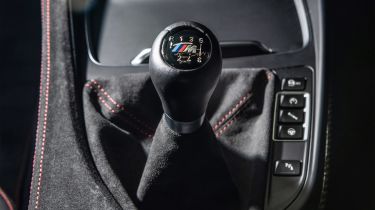
Popularity of manual gearbox cars continues to decline as new analysis shows that they represent fewer than one in 10 new car enquiries via Auto Express Marketplace. In 2026 only one in five new models is offered with three pedals, with experts suggesting the manual gearbox could disappear from the UK altogether by 2030.
In the first half of 2026, just 7.9 per cent of factory order enquiries submitted to Auto Express’ Buy a Car service concerned a car with a manual gearbox. This marks a significant decrease from a 14 per cent share in the same period in 2025, and 21 per cent in 2024.
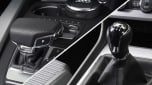
Such a lack of interest is perhaps no surprise because despite Marketplace including every single mainstream car manufacturer in the UK, just 72 of the 356 (roughly one in five) unique car models available are offered with a manual transmission. In fact, more than half (26 of 48) of the brands on the site only sell automatic cars, with those that do provide manual options typically confining them to entry-level models in the range.
In 2025, the UK’s Society of Motor Manufacturers and Traders said just 17 per cent of new cars left the forecourt with a manual transmission, down from 22 per cent in 2024. This is representative of a slow decline in the number of manual registrations over the past few years, with automatic sales having become the majority in 2020.
In fact, some experts believe the manual gearbox could die out completely as soon as 2030; Ben Hermer, operations director at Vehicle Data Global (VDG) said: “The moment is fast approaching when the economics of maintaining a manual transmission option don't add up, given the R&D, certification and other overheads involved in developing and refining gearboxes, even if there remains some demand in the market.”
Hermer concedes that “Based on current trend data, between five and 10 per cent of cars will theoretically still be manual by 2030.” However, he points out that with this in mind, ”manufacturers will be looking hard at whether maintaining manual gearbox programmes for a shrinking share of the market makes economic sense, while they manage the overall pressures of conversion from ICE and competing with international market entrants in the EV sector.”
In the meantime, manuals remain by far the most popular option on the second-hand market; while used cars only account for roughly a third of cars available on Auto Express Marketplace, almost three quarters of these are five years old or newer. With manual cars long being the dominant choice until only recently and the average car on UK roads being almost 10 years old, there will at least remain options for those wanting to row gears themselves for a few more years at least.
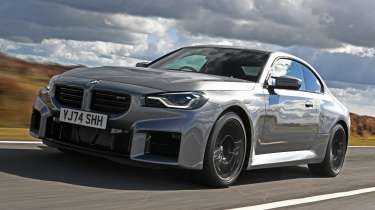
New cars available with a manual gearbox on Auto Express Marketplace
What is killing the manual gearbox?
So why is the manual gearbox going away? There are several reasons, but mainly it comes down to customer preferences and the rise of automatic-only EVs. Firstly, many drivers simply prefer driving an automatic car; while enthusiasts typically prefer the analogue and involving nature of changing gears themselves, taking this action out of the equation ultimately makes driving much more relaxing, which many drivers prefer.
Then there are electrified vehicles which, whether you’re discussing hybrids or full-fat EVs, almost all operate as full automatics. As these begin to flood into the used market, the UK car park will slowly but surely say goodbye to the manual transmission, with this type of gearbox left exclusive to the cheapest or most driver-focused cars on sale.
It’s perhaps no surprise then that more and more young people are choosing to take an automatic driving test, rather than the full manual alternative. Figures from the AA Driving School found that one in five of its students (21 per cent) took and passed their practical test in an automatic car in 2024, up from just nine-and-a-half per cent five years prior.
Such is the case, AA Driving School’s managing director, Emma Bush, said: “As more people become confident with the idea of their driving future being electric, the idea of needing to drive a manual vehicle will feel irrelevant to many. Indeed, we see many are already choosing to not only learn in an automatic, but to learn in an electric vehicle.
“We see this trend continuing and the need for manual tuition declining, although manual licences will remain important for some drivers as they will want the option to drive a larger variety of vehicles.”
Manual or automatic, you can buy a vast range of new and used cars with our own Find a Car service...