How to clean your car during a hosepipe ban
With many water companies having issued bans on using hosepipes, we look at alternatives that can keep your motor looking good in the heatwave
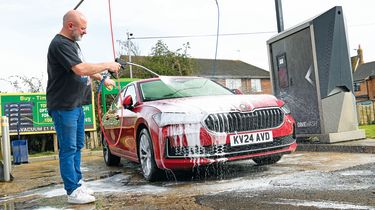
If you are proud of your car, the recent extreme warm and dry weather could be causing you extra stress. With hosepipe bans in place across large parts of central, eastern and southern England, as well as parts of Wales, millions of drivers will not be able to clean their cars in the traditional way. Anyone flouting the bans could be hit with a fine of up to £1,000 – and risk the disapproving looks of neighbours.
Some water firms have previously suggested that we should be proud of our dirty cars in a drought, because it proves we are abiding by the rules and conserving precious resources.
But there are times when you need to get out the bucket and sponge, maybe because you are trying to sell the car, you’re taking it to a show, or you want to quickly remove squashed insects and bird droppings that can harm the paint. These are our top tips for cleaning a car without a hosepipe.
Targeted attack
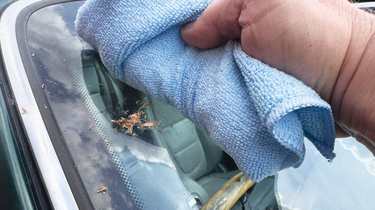
If you don’t need to wash the entire car, only target the areas that need cleaning. The most obvious is the glass, especially the windscreen, which can be cleared in a few minutes with a combination of wet and dry microfibre cloths, or a dedicated glass cleaner such as Bilt Hamber Traceless.
On the paintwork, you will want to remove traces of bird droppings and insect splats as soon as possible, because leaving them on the surface can cause scarring to the finish as they bake in the hot weather. Carry a cloth and wet it using screen-wash fluid to get rid of them while they are fresh, or use Autoglym’s Bird Dropping Wipes. For older debris, we found CarPlan’s No1 Super Bug gives the best results.
Garage Jet Wash
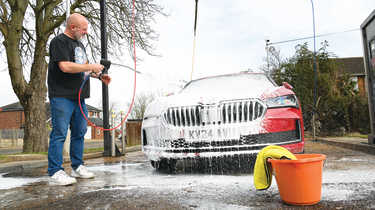
Commercial car washes such as those typically found at fuel stations are generally exempt from hosepipe restrictions, because they recycle the water used, filtering it before reusing it again and again. While it may be tempting to use automatic machines, they can damage paintwork and will typically miss parts that are out of reach of the spinning brushes.
Instead, our choice would be a jet wash. Steer clear of the attached brush, which can be laden with dirt and grit, and take your own wash mitt to wipe the bodywork after applying the foam. You will find this much easier and faster if there is someone to help spray while you wipe.
Once you have rinsed your car, be considerate and move it off the bay if there is a queue, and dry the paint before the water evaporates and leaves spots and streaks.
Bucket and watering can
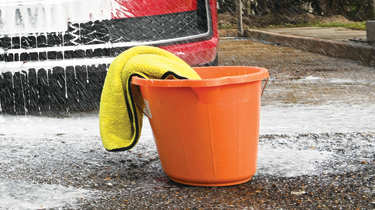
If there isn’t a garage jet wash nearby, it’s entirely possible to wash a car using a bucket and watering can – it is just harder work because you will need to keep filling up from the tap rather than using a hose.
To make it easy for you, wash the car in the shade when the paintwork is cool – early mornings or late evenings are ideal. Then wet the car using the watering can and use a pre-wash on tougher dirt spots such as bird droppings or dead flies.
We have all become reliant on pressure washers as part of a car-cleaning routine, and there is no reason you can’t use one to slurp the water out of your bucket – as long as it is not directly connected to a tap then you’re not breaking the rules.
Most machines have a self-priming function that will allow them to take water in this way. They can also be connected to a water butt that has harvested rainwater, but this water might have debris or algae so might not be best for the final-rinse stage. Keep an eye on the machine’s filter, too, or you might damage the motor.
To save you having to do the snowfoam stage with the pressure washer, consider using a hand-operated foam pump such as the Hydro UK Spray Bottle. Just a few litres of water are all that will be needed to cover the car.
If you can’t use your pressure washer and are rinsing with the watering can, see if you can borrow another from a neighbour so that you can leave one filling up at the tap while you empty the other on your car. It will save you standing around for too long at the tap.
Once cleaned and rinsed, dry the car as quickly as possible to prevent streaks and stains.
Waterless Wash
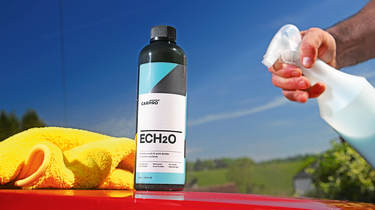
Waterless washes are a relatively new development and may seem like a shortcut, but they are remarkably effective on cars which only have a lighter layer of dirt and dust.
Arm yourself with a stack of microfibre cloths so you can ensure you are constantly using a clean section of the fabric to wipe, and generously spray the fluid on the panels to help prevent scratches. It should leave a shine which is better than washing with water, and these washes also add a protective coating, which helps protect the paint from further dirt, too.
Our test-winning waterless wash is CarPro’s ECH20, which costs less than a tenner for a 500ml bottle and is designed to be diluted to a 1:10 or 1:15 ratio, making it economical as well as effective. It’s perfect for a weekly wipe over or pre-show preen.
Raining Champ
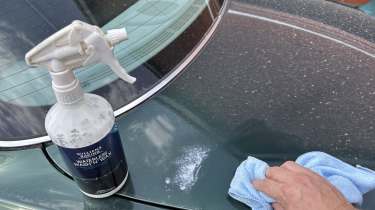
Normally a cloudburst will cause groans of frustration when you are cleaning a car, but during a hosepipe ban you should make the most of Mother Nature’s helping hand.
A rain shower will wet the car ready for the washing phase and a heavy downpour will even rinse it afterwards. You’ll get wet yourself, of course, but that’s no hardship in the warmer weather. Just check the forecast before you dry the car or your efforts could be wasted, and don’t risk going out if there is lightning predicted.
Car cleaning on Auto Express
- Car product awards: the very best kit for your car
- How to wash your car
- Best car wash options: what are hand, auto and jet washes doing to your car?
- Best car cleaning tips: the secrets to a perfect finish
Don't miss out! See more of Auto Express in your Google Top Stories. Click here...