DVLA admits not meeting expectations and turns to AI for help
The DVLA has detailed a far-reaching business plan with a focus on digitisation, AI enhancements, and improving customer service

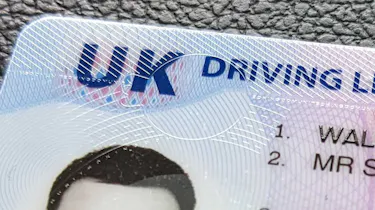
“We know that some of our services have not always met customer expectations,” the DVLA candidly admits in the extensive business plan it’s just published. The government organisation intends to improve, and it’ll partly be doing so using artificial intelligence.
The DVLA “will implement an ambitious, structured AI Action Delivery Plan,” including Microsoft’s Copilot chatbot to assist the handling of complaints, plus some unspecified use of AI in its contact centre and for software development.
For complaints, the target is 90 per cent of issues resolved in 20 days, reduced to 15 days by March 2027, through “better digital self-service options, improved operational processes and a sustained focus on getting things right first time”.
From 2026 to 2027, the DVLA aims to process 99 per cent of driving licences and vehicle registration certificates within three working days, up from 95 per cent. By January 2027, meanwhile, the average call and chat answer time is to be reduced to less than 10 minutes.
Quicker notifications of driver medical conditions
The Driver Medical side of the agency is in for big changes as well. “We will also overhaul our case management system and process redesign, supported by the responsible use of automation and AI, with appropriate governance and assurance,” the DVLA says.
Part of the improvement plan includes an improved online form to make it “quicker and easier for people to notify us of a medical condition” and reduce “the need for paper forms and postal application”. The target is to reduce the average decision time related to medical conditions by 10 per cent by March 2027, which will mean within 45 days.
Driver and Vehicles accounts
By March 2027, the DVLA also wants 85 per cent of transactions done online. Part of this involves an expansion of the current Driver and Vehicles account, “enabling customers to access more of their information and services in one place”. As part of this, it’ll be possible to sign up for MOT reminders by December 2026.
The incoming mileage-based electric car tax gets a mention, too, albeit with limited detail. “We are already working at pace with HM Treasury and Department for Transport colleagues, as well as key industry and other stakeholders, to ensure we can deliver the changes required to collect eVED from April 2028,” the plan notes, adding, “This significant piece of work will be a DVLA priority for some time to come.”
Get the latest and best car news and reviews, first! Follow Auto Express on Google today