Dangers of driving in the dark confirmed by new car and animal collision data
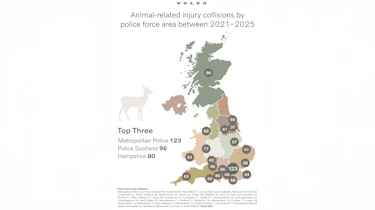
Volvo has analysed five years of DfT data to find out when and where serious accidents involving animals occur

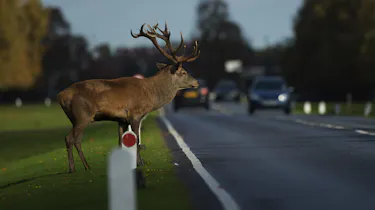
As the daylight hours shrink, driving generally gets more dangerous owing to the reduction in visibility and the more challenging conditions brought along by colder, wetter weather. You’re also probably more likely to hit an animal and get injured in the process.
Volvo has looked at the latest five-year batch of Department for Transport (DfT) data, which showed that 54 per cent of “animal-related injury collisions” occurred in darkness, much higher than the overall 28 per cent of accidents resulting in injury happening after dark.

From 2021 to 2025, 1,939 people were injured or killed in over 1,500 animal-related accidents. It should come as no surprise that 79 per cent of animal-related collisions were on country roads, while 28 per cent were either fatal or serious collisions.
These numbers only cover incidents recorded by the police. “The overall number of animal strikes on Great Britain’s roads is therefore likely to be substantially higher,” Volvo points out. Sure enough, the British Deer Society estimates that over 40,000 deer are injured or killed in collisions with vehicles in the UK every year.
Volvo takes a particular interest in vehicle/animal collisions, having studied them since the 80s. It even has a 350kg moose crash-test dummy, one of just two in existence worldwide. We thoroughly recommend having a look on YouTube at these things in action.
The Swedish brand also has Large Animal Detection tech on its cars. It works together with the car’s sensors and automatic braking system, much in the same way pedestrian and cyclist detection systems do.
Volvo’s UK managing director Nicole Melillo Shaw said: "As the darker nights draw in and the clocks go back, greater driver awareness of the risks on the roads can make for a safer journey. Animals on the road can appear with little warning, and the data shows that these incidents are concentrated in darkness and on rural roads.
“At Volvo, decades of real-world safety knowledge have helped shape technologies such as Large Animal Detection, designed to identify hazards and brake when needed. But staying alert and adapting your speed to the conditions remain essential, especially on darker winter journeys.”
Don't miss the best of Auto Express on Google! Make us a preferred source. Click here...