Queuing home for Christmas: festive traffic set to be worst since Covid
Almost 40 million journeys are expected to occur over the next couple of weeks, meaning long queues are inevitable on the UK’s road network

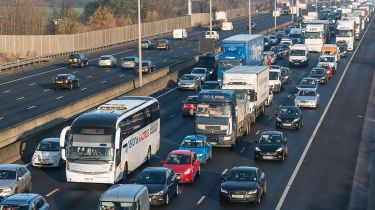
This year is expected to be the busiest Christmas on the roads since the Covid-19 pandemic, according to a new report which outlines the best (and worst) days and times to travel.
Between Wednesday 17 December and Christmas Eve the following week, the RAC and transport analytics firm, INRIX, predict as many as 37.5 million journeys will take place across the UK, as people travel to see their loved ones during the festive period.
The busiest day to travel, as you might expect, will be December 24, with drivers advised to avoid the roads between 2pm and 7pm. The RAC recommends setting off before 11am if you can. Over the festive period, travelling in the morning will generally mean encountering the least amount of traffic, with the exception of Monday 22 December, when the roadside assistance firm says the roads will be quieter after 5pm.
As you might expect, London’s orbital M25 is likely to be a scene of bedlam, with INRIX’s data indicating there will be big queues heading clockwise from J15 for the M4 to J19 Watford, as well as anti-clockwise from Kingston to East Grinstead. The roads around the UK’s second city, Manchester, are also likely to be rammed, with delays of more than half an hour on the M60 going clockwise from J7 Altrincham all the way to J18 for the M62 for Leeds.
The RAC’s mobile servicing and repairs team leader, Nick Mullender, said: “The week before Christmas is one of the few times of year when most of the UK hits the road simultaneously, with 2025 looking to be the busiest getaway period since our records began.”
One of the many reasons why more traffic than usual is expected this December is that there will be major engineering works preventing trains from running into Liverpool Street and Waterloo stations in London.
Mullender continued: “This year motorists tell us the reliability and convenience of the car and the cost compared to catching trains or coaches are the main reasons for driving, rather than using any alternative form of transport. Seasonal issues are also a factor in the decision, like fears about public transport being delayed or cancelled due to bad weather or engineering works.”
Tell us which new car you’re interested in and get the very best offers from our network of over 5,500 UK dealers to compare. Let’s go…