New Fuel Finder rules to save motorists £40 per year on petrol
UK petrol stations must provide accurate fuel pricing data within 30 minutes of any changes

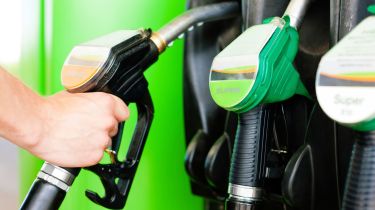
Petrol stations across the UK must, from today, report any changes in the cost of fuel. This all comes as part of the Government’s new Fuel Finder scheme which is designed to increase competition by providing consumers with real-time pricing.
As of 2 February, fuel retailers are required to supply real-time data to the Government’s Fuel Finder via the dedicated website. While previously companies could provide their pricing data voluntarily, firms must now register their forecourts via the online portal and notify the scheme of any price changes within 30 minutes of them coming into effect.

In order to access this up-to-date information, consumers can download a clunky file containing all the data via the Department for Energy Security and Net Zero website or, perhaps more conveniently, check the latest prices by using apps such as PetrolPrices or fuelGenie which will be directly supplied with the raw data.
Fuel Finder arrives as part of a plan initially proposed by the previous Conservative administration all the way back in 2023 and put into action by Keir Starmer’s Labour Government. Minister for Energy Consumers, Martin McCluskey MP, said the scheme “will drive up competition and is set to see working families save around £40 a year at the pump.”
This sentiment is shared by the RAC’s head of policy, Simon Williams, who described the scheme’s commencement as “the start of the journey to cheaper fuel prices around the UK.”
However, there are questions as to whether Fuel Finder will solve the issue completely; a report by the Competition and Markets Authority (CMA) towards the end of 2025 uncovered that retailer margins remain “historically high”, with the regulator dismissing claims from firms that such margins are justified given spiralling overheads.
Nevertheless, the price of petrol currently sits at the lowest it’s been since 2021 (131.91 pence per litre), despite the average retailer margin remaining above the historical average of eight pence per litre. Greater consumer awareness of retailer pricing could help maintain this dip – a good thing, given tensions with Iran could see prices spiralling once more.
Don't miss out! See more of Auto Express in your Google Top Stories. Click here...