Autumn Budget 2026 preview for motorists: SUV tax, eVED, fuel duty, what's coming?
There are several announcements that could be made at this year’s Budget with big implications for motorists. We explain what they mean and how likely they are

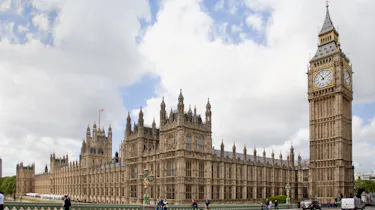
It’s that time of year again; with one hand clutching the infamous red box and the other gripping the nation’s purse strings, the Chancellor is preparing to set out the Government’s spending commitments and how we as a country will pay for them.
This year’s Autumn Budget is expected to very much be a case of ‘as you were’ with Chancellor John Healey likely wanting to give the markets confidence in Prime Minister Andy Burnham’s new Government. That said, it’s anticipated there will be several announcements that will affect drivers, with the Exchequer giving with one hand and taking with the other.
Of course, nothing will be confirmed until Healey stands at the House of Commons dispatch box at 12:30pm on 28 October. Stay tuned to Auto Express for all the up-to-date motoring-related coverage. In the meantime, here are all the topics that might (or might not) be addressed in the hour-long speech.
SUV tax introduction – Possible

The usual changes to the standard annual road tax (VED) rate will be announced next year in the Chancellor’s Spring Statement. However, John Healey could have a nasty surprise up his sleeve for SUV buyers, with a new tax aimed at steering drivers away from heavy, polluting 4x4s.
Reports suggest that think tank Transport and Environment has been lobbying the Government to implement an additional first-year tax surcharge on heavier vehicles, including SUVs. Under the proposals, drivers would be forced to pay a one-off fee of £10 for every kilogramme over a 1,600kg threshold, with EVs likely being offered a higher margin of 2,000kg to account for their heavier batteries.
Conservative shadow transport secretary, Richard Holden, said: “Left-wing councils have declared open season on the family car, and now ministers are looking at how to make drivers pay more for the cars they own. Families deserve answers before Labour uses the Budget to hit them with yet another bill.”
Scrapping pay-per-mile eVED tax – Unlikely
There has been some speculation regarding whether Andy Burnham’s Government might scrap the eVED pay-per-mile tax on EVs planned by the previous Keir Starmer administration. Designed to fill the financial black hole in fuel duty income as more drivers switch to electric cars, eVED will, under current proposals, see electric car and plug-in hybrid drivers pay three pence and one-and-a-half pence per mile, respectively, on top of standard road tax.
However, any suggestion that such a system might be scrapped is likely wishful thinking; Auto Express’ parent site, Carwow, found that more than a quarter of drivers (28 per cent) wanted eVED plans to be cancelled. Following a consultation earlier this year, eVED will almost certainly go ahead as planned, with the Chancellor potentially unveiling more details about its implementation in the Budget.
Cheaper public EV charging – Possible
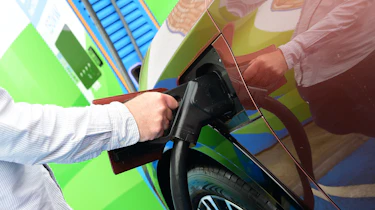
One of the greatest barriers to many drivers from switching to an EV is the high cost of public charging; plugging in at a rapid charger can often be as expensive – or even more so – than filling a combustion engined-car with petrol or diesel. To make the transition fairer to those without the means to install home EV charging equipment, the industry has long been calling on the Government to reduce public charging VAT from 20 per cent to five per cent in order to match the rate for domestic electricity.
Industry insiders have previously told Auto Express of the Government’s receptiveness to this idea; polls by the chargepoint industry suggest it could increase the proportion of those considering an EV for their next car from 25 to 37 per cent. However, with the focus in this Budget likely to be on easing the burden on petrol and diesel car drivers amid rising fuel prices, EV owners could be forced to wait yet another year for any sort of relief.
“The cut to VAT on household electricity is welcome, but drivers who rely on public chargers are being left behind,” said CEO of salary sacrifice firm, The Electric Car Scheme, Thom Groot.
Fuel duty cut extension – Likely
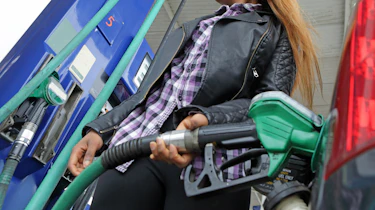
Perhaps the most likely announcement to be made at the 2026 Autumn Budget concerning drivers is further relief to address the ongoing astronomical price of petrol and diesel. Earlier this year, the Government postponed the ‘unwinding’ of the five pence temporary cut to fuel duty until the end of this year. Now, with high prices at the pumps expected to continue well into 2027, drivers are hoping the Government won’t leave them out of pocket.
We expect the unwinding to be pushed back even further, with Healey promising drivers even more “breathing space”. That said, fuel duty, under current plans, is still set to rise in line with inflation from April 2027 – irrespective of any delay in the unwinding. The potential for a rumoured ‘carbon tax’ on overseas-sourced oil could also see any benefits cancelled out, but we’ll have to wait and see if any of this comes to fruition.
Come and join our WhatsApp channel for the latest car news and reviews...