Pothole nightmare: UK roads are a “national disgrace” and will cost £18.6bn to fix
With the cost to fix England and Wales’ crumbling roads now standing at more than £18 billion, the roadbuilding industry is asking for cash up front to get ahead of an ever worsening problem

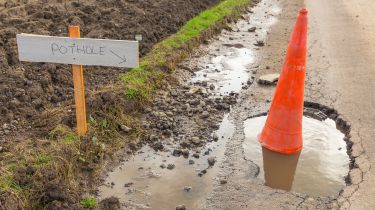
“The condition of our local roads has become a national disgrace.” That’s the assessment of the nation’s roadbuilding trade body, which has concluded the cost to fix the roads in England and Wales now stands at over £18 billion.
In its annual ALARM report, the Asphalt Industry Alliance concluded that roughly half (49 per cent) of the roads in England and Wales have less than 15 years of structural life left, with one-in-six having less than five years remaining. In fact, the AIA even estimates that 10 per cent of the network (roughly 20,000 miles) will likely require significant work within the next 12 months.
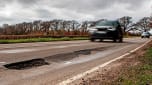
Speaking to Auto Express, AIA President, Malcolm Simms, said: “The £18.6 billion backlog represents an 11 per cent increase on last year – that’s running ahead of inflation. The real issue is that roads naturally deteriorate and so while they aren’t maintained, they will therefore cost more to put right.”
In its first Autumn Budget after being elected in 2024, the Labour Government announced a new £7.3 billion injection of cash into road maintenance distributed over four years. Simms pointed out how this is effectively a real-world increase over the £8.3 billion that was promised by the previous Conservative administration over its 11 years in power, although he did call for the Government to provide the cash up front to get ahead of the continuing deterioration seen on British roads.
“By frontloading we could do the job now and demonstrate in those early years that this is having a positive effect. That’s more likely to encourage [the] Government and authorities to provide that investment in the long-term and better quantify their needs,” says Simms.
Admittedly, some of this money appears to already be trickling through and generating some positive effects. The ALARM survey highlights how council highway maintenance funding has risen by 17 per cent year-on-year to an average of £30.5 million. Furthermore, with 1.9 million potholes filled throughout the course of 2025, the number of roads rated ‘green’ – in a good state of repair – has also increased by three per cent, meaning that 51 per cent of local roads are in an acceptable condition.
It’s worth pointing out, though, that the proportion of ‘classified’ roads (those with a number, such as A140) rated green vastly outweighs those that are ‘unclassified’ (either minor rural roads, or residential streets). With local authorities directing cash to roads with the highest traffic, Simms pointed out that “while you’ll get roads that are resurfaced every 25 years, there are those unclassified and rural roads that aren’t done at all in our lifetimes”.
With 2026 being the first full year that councils have access to the additional funding, it’s hoped that drivers should start to begin to see some tangible improvement in road surface quality over the next couple of years. This is a good thing, given the RAC recently reported that the number of pothole-related breakdowns in February trebled year-on-year after a rainy start to 2026.
Unfortunately, for now we’re unlikely to see any major advances in terms of pothole-prevention technology. Simms admitted that ”while the industry continues to innovate, there just isn’t the money available for advanced R&D and innovation.”
Did you know you can sell your car through Auto Express? We’ll help you get a great price and find a great deal on a new car, too...