Drug-driving overtakes drink-driving in new epidemic that threatens road safety
Over 30,000 licence holders received a drug-driving endorsement last year, up by more than a quarter since 2022

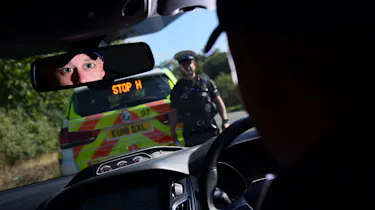
A drug-driving epidemic has been declared after new figures revealed that more people are getting caught high behind the wheel than drinking and driving. This has prompted calls for a drug-driving rehabilitation scheme, as well as greater police powers to get offending drivers off the road.
A Freedom of Information request submitted by road safety charity IAM RoadSmart revealed that 30,707 drivers received a drug-driving (DG10) endorsement last year, marking a 28 per cent increase since 2022. Even more worrying, drug-driving offences have now also, for the first time, surpassed the licence endorsements for those caught drink-driving; 29,769 licence holders were found guilty of drink-driving (DR10) offences in 2025, a 17 per cent decrease compared with 2022.
Director of policy at IAM RoadSmart, Nicholas Lyes, said: “It’s becoming clear that the UK is mired in a drug driving epidemic, to the point where it may now be more of a threat on our streets than drink driving.”

The statistics highlight an imbalance in terms of the age of drug-driving offenders. Despite only representing six per cent of licence holders, 17-24-year-olds accounted for almost one in five (18 per cent) of the DG10 endorsements in 2025 – more than double those for drivers aged 60 and over.
The most recent UK road casualty statistics show that in 2023, there were 149 fatalities in accidents where drug usage was cited as a contributing factor. With the number of drug-driving endorsements having climbed since then, IAM RoadSmart is calling for greater powers for the police to ensure offenders are kept off the streets.
“Educating people about the misconceptions of the impacts that drugs have on a person’s ability to drive is a start,” Lyes explained, “but police should be given powers to suspend licences at the roadside for failing a drug swab test.”
The current penalties for drug driving include a minimum 12-month driving ban, an unlimited fine and up to six months in prison. However, given that many drug drivers are arrested then released under investigation (which can take weeks, if not months), they can theoretically keep driving in the meantime, unless a court ruling or bail agreement stipulates otherwise.
IAM RoadSmart also says a rehabilitation scheme could be the answer to prevent reoffending; with Government data suggesting nearly half (44 per cent) of drug-driving offences are committed by reoffenders, Lyes said: “Research has consistently shown similar courses can prevent drink-drive reoffending and there’s every reason to believe a similar approach would reduce drug driving, change behaviour, and benefit road safety.”
Did you know you can sell your car through Auto Express? We’ll help you get a great price and find a great deal on a new car, too.