No evidence petrol stations are manipulating prices, but profit margins have risen
Retailer strategies have stayed the same since the start of the war in the Middle East, but margins have increased slightly

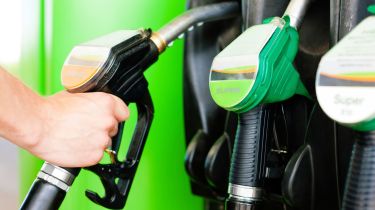
There's no sign yet that fuel retailers are manipulating fuel prices in light of the Iran War – that’s the latest assessment from the Competition and Markets Authority. That said, the UK regulator has highlighted a slight rise in margins since the conflict began, with a lack of competition in the sector also keeping the price of petrol and diesel much higher than it should be.
Scrutiny by the CMA has uncovered that while the vast majority of fuel price increases were driven by the explosion in wholesale costs, the average retailer margin on what consumers pay at the pump slightly increased from 10.7 to 11.3 pence per litre between March and April. Even without the rise, this is much higher than the 2019 non-supermarket average of 6.8 pence per litre, with retailers blaming this on rising business rates, employee salaries and energy costs.
Also keeping prices high is what the CMA refers to as ‘passive pricing’ policies, which it claims 10 out of 11 retailers follow. This in effect involves watching out for price increases at other nearby forecourts and mirroring that, rather than reacting independently to wholesale costs in order to entice more drivers to come to them.
Sarah Cardell, the CMA’s chief executive, said: “We know prices at the pump are putting real pressure on drivers’ pockets. While our analysis shows the rise in wholesale prices is the main reason for higher fuel prices, we remain concerned about weak competition in the sector leaving drivers paying more.”

It’s not something new retailers have adopted recently, though, with the Government’s Fuel Finder scheme conceived as an antidote to this long before hostilities began. This provides an API (Application Programming Interface) to app developers, enabling them to display live fuel prices from across the country. Placing this information at drivers’ fingertips was deemed to be a way to drive competition, but since its rollout in February of this year, it’s difficult to determine any positive impact as of yet.
The RAC’s head of policy, Simon Williams, pointed out that: “The August CMA report will be very interesting as it will cover a period of lower wholesale prices.” It’s suggested by the CMA that the recent bolstering of profit margins could be a method employed by retailers in order to ‘feather’ margins – i.e. maintain or increase profits – as wholesale costs and thus the price of fuel comes down.
“The price of oil has now been under $100 a barrel for almost a week, which is another positive sign for drivers and potentially a test for retailers, as it should lead to lower forecourt prices,” Williams continued.
As of the time of writing, the average nationwide price of petrol and diesel sits at 159.37 and 183.75 pence per litre respectively. While it’s hoped wholesale costs could fall in light of a potential peace deal between the US and Iran, drivers have dodged prices being pushed back up again as Chancellor Rachel Reeves recently announced that the ‘unwinding’ of the five pence cut to fuel duty would be delayed until next year.
Get even more from Auto Express, follow our channels...
• Google
• Reddit
• Whatsapp