Threat of pay-per-mile tax is putting half of motorists off buying an EV
The AA’s EV Readiness Index found the UK’s shift to electrification is being stifled by Government policy proposals and a lack of consumer awareness

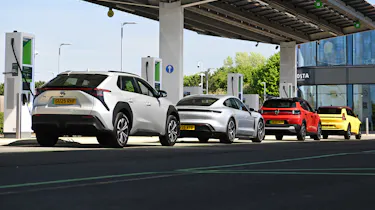
More than half of drivers might be put off buying an EV due to the Government’s proposed pay-per-mile tax on electric cars. That’s one of the several findings of the AA’s annual EV Readiness Index survey which asks the view of more than 12,000 of the association’s members across the country.
When asked whether they would still consider an electric car in the light of the upcoming eVED scheme, which could charge electric car drivers as much as three pence per mile on top of the standard annual rate of road tax, as many as 55 per cent said they wouldn’t.
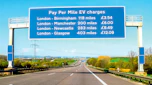
The AA’s president, Edmund King, pointed out how this kind of move by the Government “risk[s] denting confidence just as the market is beginning to mature from the early adopters.”
One of the biggest draws when it comes to making the switch to EVs is the reduced running costs resulting from charging rather than buying petrol. However, less than a quarter (22 per cent) of those the AA surveyed said they were confident they would know how to charge an electric car.
This level of uncertainty among prospective buyers together with the proposed introduction of eVED in 2028 has the potential to create a swing back in favour of traditional internal combustion models - especially considering concerns around the sometimes hefty depreciation suffered by electric cars.
Speaking of which, the relatively low prices of some used EV models that have lost a lot of value since they were bought new doesn't seem to be attracting buyers. Just three per cent of those surveyed by the AA said they would be confident to buy a used EV. These low prices in combination with a lack of consumer interest could eventually make new EVs more expensive if the uncertainty in the market forces fleet companies and manufacturers to charge more for finance and leasing.
“Lower prices may be good news for motorists looking for a bargain, but if values fall too quickly it becomes unsustainable for fleets and manufacturers who buy most new electric cars in the first place,” King explained.
Nevertheless, the AA’s Readiness Index rates the current UK market at 53.8 out of 100 – five per cent more than at the end of 2025. This is calculated by not only looking at overall consumer sentiment, but also price parity with petrol and diesel cars and availability of charging; for example, the UK’s network of 118,321 public chargers is less than half of the 300,000 total targeted for 2030.
“Our AA UK EV Readiness Index shows that conditions for switching to electric cars are improving, with cheaper used EVs opening the door for more drivers. But the reality is that the transition remains fragile,” warned King.
“To keep momentum going we need clearer long-term policy signals and better information for drivers so they can make an informed choice when or whether to switch.”
Auto Express has approached the Department for Transport for comment.