Cars are getting safer, but the UK’s roads are more dangerous for everyone else
While the number of fatalities among car occupants is down, new Government stats reveal a rise in vulnerable road user casualties

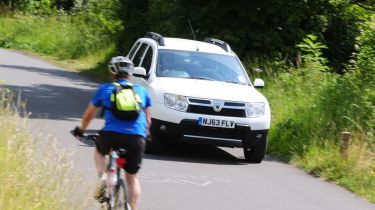
The number of casualties among drivers and car occupants has once again fallen in the past year. Yet experts believe that UK roads are still no safer because a rise in vulnerable road user casualties suggests poor infrastructure and deficiencies in driving standards could be making the roads more dangerous for others.
Department for Transport estimates suggest the number of people killed on UK roads in 2025 has dipped by around four per cent year-on-year to 1,556. This represents a 10 per cent decrease over the past decade, with car occupants experiencing some of the biggest reductions in fatalities; despite road traffic having risen in 2025, the number of car occupant fatalities fell by eight per cent in 2025, with 15 per cent fewer people being killed compared with 2015.

Yet there appears to be a growing divide between car safety and the protection of vulnerable road users, such as motorcyclists, cyclists and pedestrians. The director of policy at IAM RoadSmart, Nicholas Lyes, told Auto Express: “While [car] occupants are now far better protected today than ever before, this sadly has not extended to other road users.”
Factoring in those killed and seriously injured on UK roads in 2025, the numbers actually show a four per cent increase year-on-year with much of this down to large spikes in fatalities and injuries among those riding motorcycles, bicycles and e-scooters. This year marks the second consecutive increase in the number of motorcyclist fatalities, having risen by a concerning 13 per cent year-on-year. Similarly, casualties of all severities among pedal cyclists leapt by 10 per cent over the previous year, in stark contrast to the three per cent decrease for car occupants.
So what’s going on here? The DfT is quick to point out that it’s too early to identify any specific trends in the data; the number of casualties of ‘other road users’ has spiked due to the rise in prevalence of e-scooters. However, casualties of all other road user types have fallen over the past decade, with occupants of cars, coaches, buses and goods vehicles seeing the most dramatic decrease.
Lyes believes the disparity between car occupant and vulnerable road user casualties could be down to driver complacency. He said: “Better built vehicles and in-vehicle aids are bringing car occupant casualties down. However, this is not translating into reductions for the most vulnerable road users. It suggests that drivers themselves may feel safe but that doesn’t necessarily translate into better driving standards. It could suggest the opposite.”
This view was echoed by the RAC’s senior policy officer, Rod Dennis. Describing the current statistics as “unacceptable”, he said: “Evidently, more needs to be done to ensure all road users are aware of their responsibilities when it comes to keeping everyone safe.”
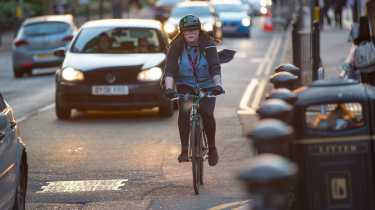
Earlier this year, the Government unveiled its Road Safety Strategy, which plans to slash the number of people killed or seriously injured by 65 per cent by 2035. Many of the policies revolve around improving driving standards, such as mandating a minimum learning period for new drivers, plus introducing compulsory eyesight tests and potentially even cognitive tests for older drivers.
However, some believe the plans focus too heavily on drivers, with very little benefits to other road users: “The road safety strategy focuses on those areas where there are the biggest problems with the vehicles that cause the most serious injuries,” said Lyes.
“We would, however, argue that infrastructure provisions need to be strengthened with investment into physical infrastructure to protect riders and pedestrians,” he added. IAM RoadSmart says that more segregated cycle lanes, improved crash barriers to protect motorcyclists, and clearer pedestrian crossings could all help reduce casualties for vulnerable road users.
Auto Express has approached the DfT for comment.
Get even more from Auto Express, follow our channels...
• Google
• Reddit
• Whatsapp