
eCall to hang up: Widespread car emergency service will stop working in three years
Next-gen eCall is being introduced as a more reliable replacement for the now outdated 2G-powered original

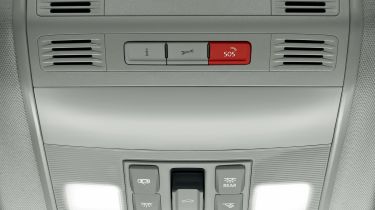
Cars fitted with eCall could see the safety feature lose functionality as soon as 2029, as both vehicles and networks switch over to next-generation technology.
So-called ‘NG eCall’ functions in the same manner as before, automatically contacting the emergency services in the event of a serious collision. However, it utilises more contemporary 4G and 5G tech, which is not only faster, but also more reliable – both crucial elements in the event of emergency.

First-generation eCall, which became required by law in 2018, makes use of now outdated 2G tech. According to 2025 figures from the RAC Foundation, 99.5 per cent of all cars sold in the UK have adopted the system, with low-volume models benefiting from exemptions to the rules.
Now, in preparation for upgrades to the UK’s telecommunication networks, 2G and 3G will be switched off as stronger 4G and 5G signals are prioritised. These are typically used to access the internet on our smartphones.
This effectively means cars registered prior to 1 September 2025 will eventually lose this potentially life-saving capability; those in an emergency will instead need to contact emergency services themselves via their smartphone, or by a public telephone.
The word “potentially” has to be emphasised, though. While studies in the EU have shown that eCall has reduced response times by up to 50 per cent, it’s unclear as to whether the tech has actually had an impact on the number of fatalities in the real world. False alarms also remain common, which can drain the resources of already time-strapped emergency services.
Upgrades necessary for NG eCall tech are expected to be completed by 31 March 2027, with 2G and 3G networks set to be phased out between 2029 and 2030 – or 2033 at the latest. The Department for Transport says that NG eCall, on the other hand, will work throughout the EU and should be at least available for the “majority” of the vehicle’s lifespan – if not all of it.
The news comes following the publication of the UK’s Road Safety Strategy which includes the mandate of 18 safety systems for new cars, ranging from autonomous emergency braking to lane-keep assist and driver drowsiness detection.
Transport Secretary, Heidi Alexander, dubbed the new strategy a “turning point”, emphasising how it “will save thousands of lives over the coming decade”.
Did you know you can sell your car through Auto Express? We’ll help you get a great price and find a great deal on a new car, too.