154 speed cameras deactivated after drivers are wrongly fined
The Home Office has revoked type approval for HADECS3X cameras, in effect making them unusable for catching speeding drivers


More than 150 speed cameras across major roads and motorways in England have in effect been deactivated from today. This comes after the Home Office revoked their type approval because glitches within the software have seen drivers wrongly fined or, at the other end of the scale, potentially even dodge fines for speeding altogether.
“Ministers are not prepared to accept any scenario where there is a hypothetical risk some drivers could be prosecuted incorrectly, or that enforcement was in any way compromised,” said Labour minister for roads, Justin Madders MP.
In 2025 National Highways discovered that a software fault in 154 of its 400 ‘HADECS3X’ variable speed limit cameras had resulted in at least 2,650 wrongful activations since 2021. A 17.33-second programmed delay between the variable speed limit signs and the cameras themselves may also have enabled drivers to get away with speeding soon after the limit is dropped, too. Those who were wrongfully fined have been reimbursed.
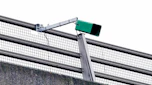
With this in mind, Madders says: “The Home Office has decided to revoke the camera system’s type approval status, which allows the data from the camera to be more easily admitted as evidence of fact into certain legal proceedings.” In plain English, this means that any evidence the cameras capture – such as photographs of a car speeding – cannot be used as a means to prosecute, thus making them in effect useless.
The Government says National Highways has also terminated its contract with the device’s supplier, Verra Mobility; Auto Express has approached the firm for comment.
In the meantime, the remainder of the 400 adaptive speed limit cameras, as well as the UK’s several thousand other speed and average speed cameras remain operational. Additional police patrols, plus mobile and ANPR (Automatic Number Plate Recognition) cameras will be used to maintain speed limit compliance, whilst the electronic signage attached to the now-defunct cameras will continue to display variable limits.
This news comes alongside the publication of the Westall Review, which shines a light on National Highways’ sluggish response to identify and escalate the issue. A lack of accessible data or clear leadership means there were 10 missed opportunities in which the organisation could have responded to the problem more quickly.
“The lack of initial momentum in grasping the issue created problems further down the line, ultimately contributing to a loss of trust and confidence within key stakeholder relationships,” the report reads. “This in turn led to an eventual critical response path that could and reasonably should have been avoided, if earlier opportunities had been taken to grasp control of the issue and engage all relevant agencies in a collegiate and co-ordinated way.”
Don't miss the best of Auto Express on Google! Make us a preferred source. Click here...