What is a blind spot when driving?
Car blind spots can spell the difference between a safe drive and a disastrous one, but what exactly are they and what causes them?

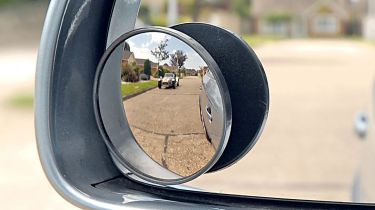
Being able to see the road around you is obviously crucial to keeping safe when you’re out for a drive. However, it’s very likely that your car will have blind spots, and whether these are big or small, they can be alarmingly good at hiding other vehicles.
So how can you ensure that your blind spots are clear, and can technology help you with this small yet vital task? Keep reading our guide to find out everything you need to know about car blind spots.
What is a blind spot?
A blind spot is an area that you cannot see either beside or in front of you when driving in your normal position. The size and location of your car’s blind spots will depend on factors like the size of the car itself, its design, the size and shape of your windows and door mirrors, and your driving position.
How to perform a car blind spot check
In the majority of cases, you’ll be able to determine if it’s safe to change lanes, merge from a slip road or pull out of a tricky junction by simply looking over your shoulder to check if there’s a vehicle lurking in the area that you simply cannot see in your door mirror.

Traffic moves fast, though, so it’s crucial not to perform a blind spot check until the very last moment before you make your manoeuvre. If you perform the check too early, another vehicle could quickly catch up to you without you even seeing it.
The proper sequence of mirror, signal, manoeuvre is very much at play here. Don’t forget, bicycles and motorcycles will often be tougher to spot than larger vehicles, so if you’re anything less than absolutely certain that your blind spot is clear, don’t take a gamble.
How to avoid being in someone else's blind spot
Large vehicles like vans and HGVs have bigger blind spots than passenger cars and often have signs on the back highlighting this: ‘If you can’t see my mirrors, I can’t see you’, is a common message on the rear of trucks. To avoid being in the blind spot of a larger vehicle, always make sure you can see their mirrors and check there’s enough room before overtaking so you don’t get stuck driving next to the vehicle in their blind spot.
The same thing applies to a lesser extent with cars. If you pull out to overtake a car on a motorway or dual carriageway, try to complete the manoeuvre quickly and move back out of the overtaking lane. Try to avoid driving along in another car’s blind spot for extended periods of time to make yourself less vulnerable if other drivers fail to check their blind spots or forget that you’re there.
Remember that some vehicles have worse visibility than others with vans, rear-engined sports cars and vehicles towing trailers often affording their drivers only a limited view to the rear. It’s not just HGV drivers who might struggle to see you and you should exercise caution, doing everything sensible to keep yourself safe on the road.
How does blind spot detection technology work?
Many modern cars are now fitted with detection systems which are designed to warn the driver whenever a vehicle is located within their blind spot. These systems use cameras and sensors to read the lanes alongside your car, and whenever a vehicle enters your blind spot, a solid warning light (usually amber in colour) will appear on the door mirror that’s located on that side of the car.
If you indicate in the direction of the other vehicle’s path while it’s in your blind spot, the same light will begin to flash and this may be accompanied by a loud warning chime. It you try to turn the car towards a vehicle in its blind spot, some systems will even apply corrective steering to stop the collision.
Some brands sell aftermarket blind spot detection systems which you can retrofit to cars which did not originally come with this feature. However, it’s important to know that their effectiveness may vary. Regardless, the best way to ensure that your blind spot is clear is by checking it manually at the appropriate time.
Get even more from Auto Express, follow our channels...
• Google
• Reddit
• Whatsapp