Our EV obsession is holding back green mobility, efficient hybrids are the answer
The call for more flexibility and a wider eco focus than the single path to electric is growing

Legislators need to focus more on the overall environmental picture than the speed of transition to electric cars, according to a panel of experts speaking in London today.
“As long as we are fundamentally going in the right direction – reducing emissions – the share of electrification and the pace of the shift matters less than the outcome,” Benjamin Grieger, secretary general of the European automotive suppliers’ association CLEPA told the FT Future of the Car Summit. “If the political objective is emission reduction, then the climate doesn't care whether those reductions come via electrification, mobility changes, or renewable fuels. Let the market determine the mix.”
Grieger highlighted the futility of predicting which technology will be dominant in a decade’s time. “Three years ago we were not expecting what we see today, and we cannot know what the picture will look like a decade from now,” he said. “Why should we try to legislate for it? We have a very good instrument for determining what works: the marketplace. Decisions made by consumers – passenger car buyers – and businesses.”
Rather than forcing people into one particular powertrain, Grieger said rulemakers across Europe should design a framework that makes new technologies attractive for consumers. “For electrification, that means affordable, available electricity. The difference between paying a reasonable rate per kilowatt-hour to charge versus very high motorway rates is one of the single strongest factors in consumers' decisions about which technology to use.
We need to address that,” he declared. “China is doing exactly that: there is no nationwide combustion-engine ban in China, but there is a strong framework – access to raw materials, battery production capacity, cheap electricity – that enables the market to move towards electrification naturally. That is more effective than rules that simply mandate the outcome. Design the framework, set the rules that everyone must respect, ensure the location factors are in place, and let the market work.”
Speaking on the same panel, Matias Giannini, the chief executive of Horse Powertrain (a joint venture between Geely and Renault), added: “The world doesn’t count EV shares, it counts decarbonisation; that's the only thing that matters.”
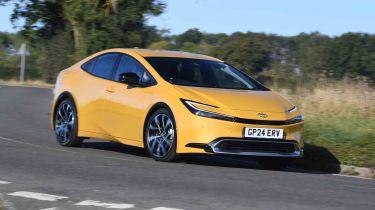
He said the company predicts a 50-55 per cent share of new vehicles globally being fully electric by 2035, but an 80 per cent reduction in emissions should be achievable by using efficient hybrids to fill in the gap where EVs have not yet been adopted. “With highly efficient hybrids working alongside, the same emissions outcome as if 80 per cent of all global production were battery-electric becomes achievable, because hybrid efficiency is improving year on year,” he claimed. “So it's genuinely not about the EV share – it's about the combination of technologies getting us to the right place.”
From a commercial vehicle perspective, Volvo Group chief purchasing officer Michael Lovati told the same session that heavy goods vehicles will use a combination of different power sources for the foreseeable future. “We do believe there will be multiple technologies serving multiple markets, with varying levels of maturity around the world, and they're going to be around for a long time,” he told the event. “We're strong believers in at least three: internal combustion, battery electric, and hydrogen. Our strategies and plans invest across all three.”
No matter which fuel takes your fancy, you can buy a car through our network of top dealers around the UK. Search for the latest deals…