HS2 funds can’t solve UK’s £16.3 billion pothole problem
The Asphalt Industry Alliance’s annual report suggests UK roads are at “breaking point”, despite extra cash promised by the government


New data has revealed the true extent of the UK’s pothole problem, with estimates suggesting that patching up British roads would cost an eye-watering £16.3 billion – a 16 per cent increase year-on year and more than the entire annual GDP of Malta.
Many motorists will already be aware of the dire situation that UK roads find themselves in, however, the Asphalt Industry Alliance’s (AIA) annual ‘ALARM’ report fully outlines the extent of the issue, with a RED-marked road (one that’s considered to be in ‘poor’ condition) found every 10 miles across the country.
It’s perhaps no wonder then that the AIA suggests the time it takes before the average road is resurfaced is as long as every 80 years, with a staggering 53 per cent of UK streets having “less than 15 years of structural life left”. Despite a pothole currently being filled in every 16 seconds, the AIA estimates it would still take 10 years to fully repair Britain’s roads.
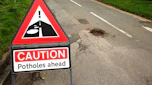
AIA chair, Rick Green, described the situation as being at “breaking point”, saying: “Poor road conditions impact on our everyday lives, from the cost and inconvenience of damage to vehicles, to potentially causing accidents and injury to vulnerable road users such as cyclists, some of which might prove fatal. Poor roads are also less energy-efficient to drive on, resulting in increased carbon emissions from vehicle exhausts.”
Last year, the Government announced that it would reallocate an extra £8.3 billion from the controversial HS2 budget in order to make crucial repairs to local roads. A spokesperson for the Department for Transport told Auto Express: “This means £150 million available for local authorities across the country right now, ensuring funding for most authorities has increased by almost a third compared to last year, with a further £150 million to follow in the coming financial year.”
However, despite the extra cash in the pot, the AIA says this money, which adds up to a 3.6% increase in funding per authority, has actually been cancelled out in real terms by the UK’s high rate of inflation. The ALARM report states that 45% of local authorities are claiming a budget cut or freeze, with an average shortfall of £7.2 million per constituency.
“Unfortunately, the extra funding from DfT isn’t extra at all – it’s just counterbalancing the effects of inflation. The reality is, there is no additional money.” We asked the DfT to respond to this, but they declined to comment further.
Subscribe to the UK's favourite car magazine: get Auto Express delivered every week...