How to find the cheapest petrol and diesel near you
Cheap fuel is currently all but impossible to find in the UK, but there are ways that you can minimise what you pay for petrol and diesel
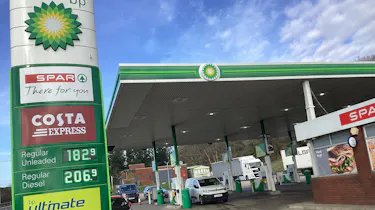
Soaring fuel prices mean that finding the cheapest petrol and diesel in your area can make a surprisingly big difference to your car running costs. However, if you’re driving around for seemingly endless miles comparing prices at different filling stations one by one, you’ll quickly waste any pennies you’ve saved by burning excess fuel.
Thankfully, it’s pretty easy to find low-cost fuel without doing your own time-consuming research on the local market. There are a few things you can do to make the petrol or diesel in your existing tank last even longer as well. It all adds up to lower car running costs and more affordable motoring.
You’ve already made a great first step by opening up this guide, so sit back, relax, and keep reading to find out everything you need to know about pinpointing the cheapest petrol and diesel prices near you.
How to find cheap fuel
The hunt for cheap fuel is not an exact science but with a little bit of extra effort you can save a few precious pennies per litre. Fuel prices fluctuate on a daily basis and they vary from fuel station to fuel station and from area to area. For that reason, it’s worth keeping an eye on the prices at the petrol stations you pass regularly to see where the prices are lowest.
In the vast majority of cases, motorway service stations are some of the most expensive places to fill up, so we don’t recommend using these unless it’s an emergency. Instead, supermarkets are often the instigators of fuel ‘price wars’ and they tend to remain generally competitive on price compared to the mainstream petrol stations.
Fuel prices also vary from region to region. Fuel in Scotland and Northern Ireland tends to be a little bit cheaper than it is in London and the South East, but it’s certainly not cheap enough to justify driving there to get it!
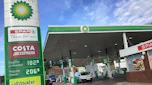
On a more local level, you might find that you pay more in built-up areas with a steady stream of customers than you do at rural or suburban fuel stations. There are no hard and fast rules on this but there are services that will give you real-time fuel prices in your area so you can head to the cheapest supplier.
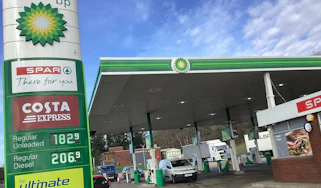
Following changes to the law in 2026, all fuel stations are now legally required to supply their most up-to-date pricing information to the Government’s Fuel Finder service. This means you can see an entire area’s live fuel pricing at the click of a button on various apps and websites, instead of having to drive around while painstakingly taking note of every station’s pricing sign.
While you can access Fuel Finder’s pricing data by downloading a massive file of data directly from the Department of Energy Security and Net Zero’s website, a far quicker and easier method is to simply download a pricing app such as fuelGenie or PetrolPrices. Some navigation apps, such as Waze, are also fed by this data but, oddly, the Government doesn’t provide its own Fuel Finder app.
Why is motorway fuel more expensive?
Motorway service station operators have previously argued that they’re forced to charge higher prices for fuel because they offer more services than most filling stations and remain open for 24 hours a day. Some also claim to have higher fuel delivery costs due to their motorway locations.
The validity behind this reasoning continues to be the cause of much debate, but it is worth noting that these stations are more convenient for drivers travelling along the motorway network to pull in and refuel, so operators of these facilities have a captive audience to an extent.
If you’re planning a long motorway journey you should aim to fill up close to home beforehand and drive in as fuel-efficient a manner as possible to get the most mileage out of your tank. Keep your speed in check, change to a high gear early and observe the road ahead carefully to preserve your car’s momentum and avoid using the brakes.
Why is supermarket fuel cheaper?
Your local supermarket will probably be selling petrol and diesel at lower prices than you’ll find at dedicated local fuel stations operated by the big oil companies. This is chiefly because the big supermarkets use cheaper fuel as a lure to attract motorists to their stores in the hope that they’ll spend on other things.

Supermarket fuel is not exactly the same product as you’ll get from other filling stations but all fuel sold in the UK must conform to the same standards. The main difference between fuel bought from different sources is the blend of additives mixed in. These tend to be detergents to help clean the engine and lubricants to reduce wear. The big fuel brands will tell you that their particular mix of additives is what adds the extra value to their products but even supermarket fuel contains some of these.
Fuel cards and special offers
Once at the pump, be sure to use any applicable fuel loyalty and cashback cards to get the most value from each fill-up. Most supermarkets have loyalty schemes that can transfer the benefits from your daily shopping to their petrol pumps. For example, a Nectar card – valid at Sainsbury’s and Esso garages – will give you a point per litre. It doesn’t sound much, but for high-mileage drivers, those savings soon add up.
Business owners can also request a fuel card, such as Allstar, that works in a similar way to a credit card. These cards work across the country and offer substantial savings by allowing companies to keep track how much they’re spending on fuel across an entire fleet. Some fuel card services are also able to offer discounted fuel pricing from selected filling stations. Unfortunately, fuel cards are reserved for business use, so individual drivers are forced to pay the advertised fuel price.
Can you change fuel to save money?
If high fuel prices are really starting to bite you in the bank account you might be thinking of changing the fuel you put in your car. If you usually buy ‘premium’ or ‘super’ fuel for your car, you can save money by switching to normal fuel. This might be a false economy, however.
We would always advise any motorists to use the grade of fuel recommended by their car’s manufacturer. Many performance cars are designed to run on premium fuel and switching to a lower grade could cause problems down the line, as well as giving a short term drop in performance.
Can you change car to save money on fuel?
Another, more drastic way to switch fuel will be by changing the car entirely. Electric cars can be much cheaper to top-up than their petrol and diesel alternatives (especially when you charge at home). EVs aren’t immune to inflation, though, and the rising cost of electricity will ultimately take its toll as well. If you’re unsure which option to take, our research into whether EVs are really cheaper to run than petrol cars will help.

High mileage drivers spend more on fuel so have more potential to save, but running an EV over higher annual mileages can be more of a challenge if it forces you to rely on the public charging network – where charging costs are even higher and chargers can be unavailable or unreliable.
Changing to a more efficient internal combustion engine (ICE) car is another option, as is opting for a hybrid or plug-in hybrid car. These cars aim to provide the best of both the combustion and electric worlds but, as with any car, mild-hybrids, full-hybrids and plug-in hybrids all come with their own unique pros and cons. PHEVs in particular can become rather thirsty for fuel when their batteries are depleted. To find out if a hybrid would work for you, be sure to read our guide to hybrid cars.
Who has the cheapest fuel in the world?
Fuel prices are heavily influenced by oil prices, and oil prices are highly sensitive to changes around the world such as war, trade disputes or natural disasters.
Of course, for countries that produce their own oil, this is usually far less of a problem than for the nations that import it. For a sense of perspective, we’ve taken a look at fill-ups around the world to find out if the UK really has it that bad. These prices are according to data from September 2026.
Cost of a tankful (55 litres) around the world
As you're probably guessed, the cost of petrol varies a lot from country to country.
Top 5 countries with the cheapest petrol
- Libya: £0.99
- Iran: £1.21
- Venezuela: £1.43
- Angola: £13.58
- Kuwait: £14.30
Top 5 countries with the most expensive petrol
- Hong Kong: £183
- Malawi: £135
- Norway: £129
- Denmark: £119
- Netherlands: £115
At the time of writing, the UK finds itself towards the bottom of the global pricing league table with a 55-litre fill-up costing £95. While we may still grumble, you might spare a thought for the people of Hong Kong when you next visit the pumps.
Get even more from Auto Express, follow our channels...
• Google
• Reddit
• Whatsapp