Electricity VAT axe to make EV charging cheaper, just not if you can’t charge at home
VAT on domestic electricity will be scrapped from October, thus widening the gap between home and public charging

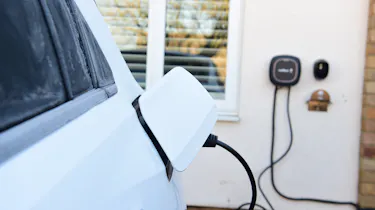
Yes, you read that right – in one of his first acts as Prime Minister, Andy Burnham is slashing the price of EV charging. Don’t get too excited, though, as he’s not cut VAT on public chargepoints like many have asked for; Keir Starmer’s successor is instead making domestic electricity exempt from VAT, saving the average electric car driver anything between 24p and 78p per charge.
“Westminster has not been working for people for too long, with families struggling with the cost of living,” Prime Minister Burnham said in a statement. “We’re taking immediate action to cut taxes on energy bills, put more money in people’s pockets and bring back hope.”
Currently, domestic electricity is charged at a VAT rate of five per cent – a quarter of what those using public charging infrastructure have to pay. The new measure of scrapping VAT for home electricity will come on the 1 October, effectively cancelling out any rise in the revised Ofgem energy price cap which also comes into force that day.
How much will EV drivers save?
Based on the current July to September price cap of 26.11 pence per kilowatt-hour, someone charging the UK’s best-selling EV, the Tesla Model Y, would save around 78 pence per charge. On the other hand, someone charging at the typical off-peak EV tariff rate of eight pence per kilowatt-hour would save around 24 pence. Over the course of a year and the typical 7,100 miles the average driver travels per year, this translates to savings of £17.64 and £5.43 on charging respectively – if you match the car’s claimed WLTP range, that is.
| EV | 7,100 miles @ off-peak rate minus VAT (7.6p) | 7,100 miles @ energy price cap rate minus VAT (24.8p) |
| Tesla Model Y RWD (60kWh) | £5.43 | £17.64 |
| Renault 5 Comfort Range (52kWh) | £5.86 | £19.05 |
| Audi Q4 e-tron Performance (77kWh) | £6.21 | £20.19 |
| Fiat 500e Urban (24kWh) | £5.78 | £18.77 |
It’s worth pointing out, though, that the above is based on the current energy price cap; the maximum energy providers will be able to charge for electricity will almost certainly be higher in October, so the theoretical savings would be even more than what we’ve calculated.
What about VAT on public charging?
Nevertheless, the new Burnham Government’s decision only widens the price disparity between domestic and public charging. CEO of electric car owner advocacy group EVA England, Vicky Edmonds, said: “Cutting VAT on household energy bills is welcome news. For EV drivers who charge at home, it will make cars that can already save them thousands of pounds even cheaper to run.”
“But millions of EV drivers without a driveway will not fully benefit because they can't easily access home charging,” Edmonds highlighted. “The Government’s Cost of Public Charging Review must now deliver real structural reform to bring down prices at the chargepoint.”
Similarly, CEO of EV charging firm char.gy, John Lewis, pointed out how Burnham's new policy “throws the unfairness of the current VAT system into even sharper focus.”
“Drivers who rely on public charging, often because they don’t have a driveway, will still pay 20 per cent VAT for exactly the same electricity,” said Lewis. “If [the] Government is serious about making the EV transition work for everyone, the next step has to be equalising VAT on public charging. The electricity is the same. The tax treatment should be too.”
Prior to this latest announcement, the automotive industry has long asked for VAT on public charging be reduced to five per cent to match that of domestic electricity – or at least, the rate charged before the tax is scrapped in October.
According to ZapMap, the average cost of rapid public charging sits at 79 pence per kilowatt-hour. Therefore, a 15 per cent VAT reduction could see the price drop to 67 pence and the cost of a 10-80 per cent charge of the aforementioned 60kWh Tesla Model Y go from £33.18 to £28.14 – a saving of around £5. At the same time, adding an identical equivalent of 70 per cent charge to a Renault 5 Comfort Range’s 52kWh battery would save owners just over £4 (£24.44 down from £28.76).
In a statement, a Treasury spokesperson told Auto Express: “Whilst domestic electricity VAT reliefs were not designed or introduced for charging EVs at home, the VAT relief applies for all uses of domestic energy, as it is not possible for energy companies to distinguish between electricity used to charge an EV and electricity used for general domestic purposes.”
That said, the Government did emphasise that it is “reviewing the cost of public electric vehicle charging, looking at the impact of energy prices, wider cost contributors, and options for lowering these costs for consumers.” The results of this are expected later this year after which Chancellor John Healey could announce any changes at the Autumn Budget.
Get even more from Auto Express, follow our channels...
• Google
• Reddit
• Whatsapp