The new petrol and diesel car ban is nothing more than state-sponsored bullying
Mike Rutherford thinks the Government should allow motorists to buy new petrol and diesel cars well into the 2030s

Welcome to 2026, in which I’m expecting yet another major political U-turn, more public transport inefficiency and rip-offs, a renaissance in the threatened – but now seemingly safe – small-car sector, and lots of great deals from a leasing industry offering some new models for pennies per hour.
In other words, I make no apologies for returning to the Government’s proposed ban on the sale of new petrol and diesel-powered cars in 48 months. It’s the most controversial, discriminatory, unachievable motoring-related ‘policy’ in living memory.
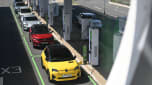
What we’re talking about is one of the ultimate examples of state-sponsored, consumer-unfriendly bullying by a regime needlessly picking a fight with a large group of decent people (in this case, tens of millions of motorists) – just as it did with pensioners, farmers and others, the vast majority of us with voting cards up our sleeves.
One of the Government’s last acts of 2025 was to reverse its tax raid on farming families. One of its first of ’26 must be to tell motorists that they’ll still be able to buy new, state-of-the-art petrol and diesel cars well into the 2030s.
Despite a price freeze for some tickets, the railways will continue to charge obscenely high prices for too often shabby, filthy, late or cancelled ‘services’ in 2026. Examples: Since December, the number of London to Blackpool trains has been cut by 50 per cent. Something to do with the fact that there aren’t enough mug punters willing to pay up to £169 for an early-morning, one-way adult ticket for the oh-so-glamorous ride? Also, if there’s a worse deal for cash buyers than the £7 fare to travel 499ft on an underground line between London’s Charing Cross and Embankment stations, I’m not aware of it.
But I am certain that reports of the death of small cars have been greatly exaggerated. True, they’re not as profitable for manufacturers as larger models, but they’re not loss-making, which is why brands in Europe, Asia and North America have been talking positively about all-new city car runabouts, superminis, kei cars and ‘tiny’ vehicles. In UK towns and cities where roads are clogged, speeds low and parking spaces tight, what more do you need? Especially when some of these gems should have Group 1 insurance ratings that can hugely cut the cost of, and improve accessibility to, everyday motoring.
As can leasing companies that are increasingly emerging as the saviour of private motorists. The lease industry has long been there for such buyers, who now see ever more credible cars that (after a down payment and monthly instalments for two years) can cost an average £10 or less per day. That’s equivalent to around 40 pence an hour. You could pay nearer £40 for an hour’s travel by rail. And that’s one of the several reasons why the train comprehensively fails as the 24/7 alternative to the car.
Did you know you can sell your car through Auto Express? We’ll help you get a great price and find a great deal on a new car, too.