Europe proposes big push on self-driving vehicles, and measures to boost EV demand
‘Automotive Action Plan’ focuses on new technologies and the green transition in response to Chinese threat

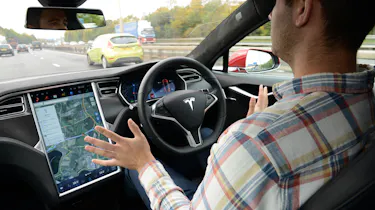
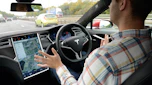
Europe’s policy makers want to increase the speed of development of self-driving technology, and will set up an industry alliance allowing companies within the EU trading bloc to share software, chips and technology, while also helping to launch large-scale pilots for autonomous vehicles.
“The goal is very simple. We have to get autonomous vehicles on Europe’s roads faster,” EC president Ursula von der Leyen said in a statement today. Speaking after a strategy meeting on the future of Europe’s car industry, von der Leyen said it was clear that it was “time for action on a number of priorities”, pointing to fierce global competition and saying “we have agreed that we need a big push in software and hardware for autonomous driving.”
The new drive towards self-driving vehicles is part of an EC Action plan that will be launched officially on 5 March. It also includes proposals to make European supply chains more robust and resilient, especially in the area of EV batteries.
“Here, we have a challenge,” says von der Leyen. “Because while our own production is in the process of scaling up, we see that imported batteries are cheaper. We cannot let EVs become more expensive. But we also cannot afford to create new dependencies. So, we will explore direct support for EU battery producers.” The president also signalled the gradual introduction of increased European content requirements for battery cells and related components, a step which could mean penalising non-compliant imports with trade tariffs.
Von der Leyen also highlighted forthcoming proposals to increase the flexibility for European manufacturers to meet CO2 targets. If passed by the European Parliament, these proposals would allow companies three years to fulfil emissions targets proposed for 2025.
While such moves will be welcomed by the car industry in Europe, they’re not universally welcome. Chris Heron is Secretary General of E-Mobility Europe, a trade organisation representing a diverse range of voices in the sector, and he said: “Today’s proposal for three-year CO2 limit flexibility will significantly delay Europe’s electric vehicle roll-out across the next two years, risking around half a million fewer electric cars entering the EU market in 2025. That uncertainty is bad news for investors in EU charging infrastructure, battery production, and e-mobility overall".
Come and join our WhatsApp Channel for the latest car news and reviews...