“Extreme electric car sales targets need a rethink”
With Ford announcing it might restrict sales of petrol cars in the UK, editor Paul Barker thinks it’s time for the Government to take another look at its EV targets

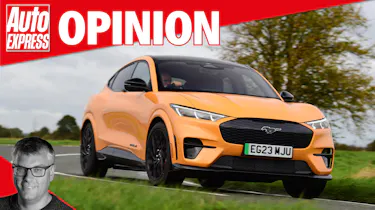
I know ludicrous political policies aren’t exactly anything new, but the car industry is in the midst of a doozy at the moment. The Government’s mandate that 22 per cent of new cars from each manufacturer must be fully electric is heading towards the entirely predictable consequence of damaging consumer choice.
Ford has become first maker to break ranks and publicly threaten what many have been predicting for months. With depressing inevitability, the brand has declared that the most cost-efficient way to make sure it’s compliant is to restrict sales of petrol cars. Who could have foreseen that huge fines – £15,000 per car – for not hitting an average that’s way above the natural level of demand would have consequences? Don’t forget, Ford’s only electric car in the UK is currently the Mustang Mach-E.
It’s understandable to try and hustle EV uptake along, but 22 per cent of new cars in 2024, rapidly rising year by year, is way ahead of consumer desire. Desire, let’s not forget, that isn’t being promoted by Government in any meaningful way for private buyers. It’s going the other way, in fact, with London Congestion Charge exemption ending from 25 December 2025 (Merry Christmas!), and EVs having to pay Vehicle Excise Duty (albeit at the lowest rate), rather than it currently being free, from 1 April next year.
The point is, demand is flagging amid some overtly negative mainstream media headlines. A little bit of carrot with the stick would make for better results, and help turn public sentiment towards EVs. Cutting the VAT on public charging to match that of domestic electricity seems like a logical and good-news way to lower costs, and extra use would help provoke investment to grow the infrastructure.
Helping car makers to make EVs more affordable – be it by cutting VAT on new cars or scrappage-style grants – would go a long way to boosting public confidence, and therefore acceptance. The current approach – ending the few available incentives while bashing manufacturers for not selling cars to buyers that don’t exist – doesn’t seem to be working. Time for a rethink?
Do you agree with Paul? Let us know your thoughts in the comments section...