Pay-per-mile road tax is an attack on electric cars and those that own them
Editor Paul Barker thinks the road user charging will put people off switching to an electric vehicle, while simultaneously hurting the car industry

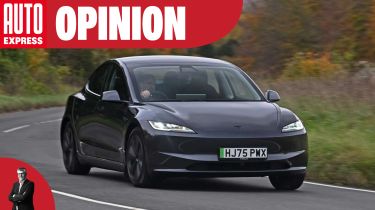
“The wrong message at the wrong time,” is a pretty damning response to the announcement in the Budget that road user charging, or pay-per-mile road tax, is finally on the horizon. But that was the immediate response from the Society of Motor Manufacturers and Traders, the car makers’ trade body, and similar sentiments echoed across the industry.
It was always going to come at some point; we weren’t going to just see all that lovely fuel duty revenue simply disappear and drivers reap the extra reward of going electric. But even if charging is still three years away (mainly because there are so many questions about how it will work), this does feel a little premature when the Office for Budget Responsibility (OBR) predicts that the consequence could be over 100,000 fewer EVs sold.

Especially when the OBR’s cunning answer to address this is simply that car manufacturers should keep on cutting prices – when they’re struggling to make a profit on EVs already – or just sell fewer petrol cars to help them balance the share of electric ones.
To be fair, we called it; Auto Express predicted on 2 January that 2025 would be the year that pay-per-mile road tax would finally be confirmed. And by a handful of weeks we were right, but that’s not necessarily something we’re pleased about.
I was talking to Ford’s UK boss Lisa Brankin last week, and she pointed out that the genuine retail share of people buying new electric cars is currently only at around 16%, almost half of what it needs to be for manufacturers to avoid fines for missing targets. Fleet registrations – driven by the company car tax system that makes EVs the only sensible choice – have propped up adoption, but it’s still not where it needs to be.
There are also many questions that need answering about how road user charging is going to operate. If you drive 1,000 miles through Europe, will the UK Government bill you £30 for the pleasure? Likewise for mileage at track days or driving off public roads (although anyone doing hundreds of miles across their own grounds can probably afford to cough up).
And the admin involved in a whole series of other scenarios, such as when selling a car, hiring or borrowing, is going to be complex. Plus making drivers of a car that’s a year old go for an annual mileage validation check is an extra hassle most people could do without in their daily lives.
But it’s important to remember that EVs will still be cheaper to run than petrol cars, if you can charge at home. The cost of public charging is a whole other issue that the Budget failed to address. Road user charging constitutes a degree of levelling up against fuel duty, and in the long term, it’s fair enough. But with demand running way behind expectations, it’s unhelpful to subject EVs to another public kicking, and give people another reason to think electric won’t work for them, while still demanding they take larger and larger shares of new car sales.
Did you know you can sell your car through Auto Express? We’ll help you get a great price and find a great deal on a new car, too.