UK roads are no longer among the safest so the Road Safety Strategy was long overdue
Editor Paul Barker questions whether the Road Safety Strategy will achieve a real drop in road casualties

The Department for Transport’s long-awaited Road Safety Strategy was finally published last week: 60 pages sprawling into many areas of drivers’ lives, with the noble and necessary goal of making a dent in the 1,600 people killed and 27,865 people seriously injured on our roads in 2024.
The UK has vacated its podium place among Europe’s top countries for road safety in recent years, with 22 states having done a better job of reducing casualties over the past decade. But it would be pretty bold to say the contents of this strategy document will achieve the hefty target of a 65 per cent cut in the number of people killed or seriously injured on UK roads by 2035.
Let’s start with the stuff that most people would see as pretty sensible. We all know new drivers are in the high-risk category, so mandating a minimum amount of time behind the wheel before a test makes a lot of sense; lowering the legal blood/alcohol level for new drivers is also a good idea.
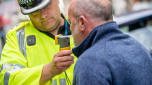
At the other end of the experience scale, compulsory eye tests for older drivers are another sensible suggestion, but it will be interesting to see what impact the proposed lowering of the drink-drive limit to match Scotland and most of mainland Europe could have, because I suspect many drink-drivers don’t merely stray fractionally over the limit. That’s why I’m a fan of alcolocks. Anyone convicted of drink-driving should have no problem with having to prove they’re sober and not endangering other road users every time they get behind the wheel. How you monitor and police that is a another matter entirely, though…
Some of the consultations proposed by the DfT concern issues I’m sure every law-abiding motorist will get behind. Stiffening punishments for driving with no insurance or MoT, or failing to stop after a collision, can’t be argued with; likewise a focus on the baffling number of drivers who still won’t wear a seatbelt. All of these are things that I think should already be dealt with more harshly. Some of the other ideas, though, such as looking at headlight glare or mandating car safety systems, sound like matters beyond the scope of the UK Government.
Overall, I agree with most of the strategy, but question whether there’s enough in it to actually have the huge impact needed to bring a real drop in road casualties over the next decade.
Did you know you can sell your car through Auto Express? We’ll help you get a great price and find a great deal on a new car, too.