Smart motorways are safer, unless your car breaks down
New National Highways stats show increased dangers following breakdowns on smart motorways, but improved safety overall

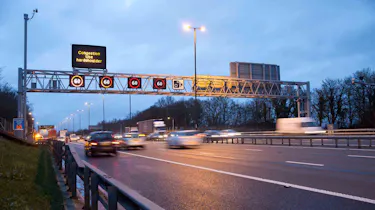
Drivers are three times more likely to be fatally or seriously injured following breakdowns on motorways with no hard shoulder, according to latest stats released by National Highways.
Overall, the rates for so-called KSI incidents, where car occupants are killed or seriously injured, has risen by 10 per cent on ‘smart motorways’ without a permanent hard shoulder.
The figures, released as part of the National Highways annual report into the smart motorway programme, show that from 2017 to 2021 there were 0.07 serious injuries per billion miles driven on roads dubbed ‘controlled smart motorways’ which retain the hard shoulder. ‘All-lane running’ routes where the hard shoulder has been permanently done away with to create more space for traffic, have a figure of 0.21 serious casualties - a number that’s three times greater.

Conventional motorways have a casualty rate of 0.10, suggesting smart motorways of all kinds are at least twice as dangerous for drivers who break down on them. However, National Highways stats also show that from 2017 to 2021, the overall safety levels of all types of smart motorways are better than for uncontrolled motorways.
“The latest safety data (2017-2021) continues to show that overall, all three types of smart motorway are safer than conventional motorways,” says Nick Harris, chief executive at National Highways. “The majority of collisions on our network involve moving vehicles. The minority involve stopped vehicles, and the risk of this continues to be higher on motorways without a permanent hard shoulder.”
The AA has already been vocal in its criticism of smart motorway safety, and has renewed calls for action following publication of the National Highways report. While applauding progress on work being undertaken to improve Stopped Vehicle Detection, AA president Edmund King noted the fundamental problem remains with stopped vehicle accidents being more frequent on all-lane running routes. “To address this, the hard shoulder needs to be reinstated or at the very least the number of Emergency Areas needs to be radically increased,” he said.
King added that the AA welcomed the scrapping of new smart motorway projects, announced in April by Rishi Sunak, but said more needs to be done to reduce the dangers of existing roads:
“We have called for more ‘controlled motorways’ which the report shows have lower killed or serious injury rates (KSI) than All Lane Running (1.31 compared to 1.43). These motorways have the benefit of ‘smart’ motorway technology whilst also having a hard shoulder.”
Want the latest car news in your inbox? Sign up to the free Auto Express email newsletter...