Electric cars get up to £9 more expensive to charge at home under new energy price cap
The maximum energy suppliers can charge for fixed rate electrity will rise ot 32.69 pence in Januaryppliers can charge per unit on a fixed-price tariff will rise by 26 per cent

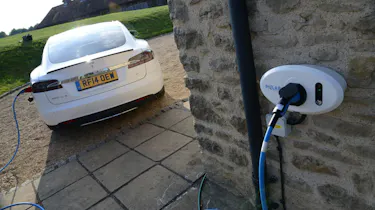
Electric car drivers are being forced to brace for much higher charging costs as Ofgem announces that the energy price cap is due to rise by 26 per cent in January. Those not on an EV-specific energy tariff could see the price per charge rise by up to £9.
Between 1 January and 31 March 2027, the maximum energy providers can charge for electricity on fixed tariffs will rise from 26.32p per kWh to 32.69p. This surge in pricing is the most significant since Russia’s initial full-scale invasion of Ukraine in 2023. However, high prices back then were limited by the Government’s energy price guarantee. Now, however, all consumers have to fall back on is Labour’s £100 energy payment due in January.
While the rise in electricity prices will undoubtedly have a significant knock-on effect with the average bill set to rise by £37 per month, EV drivers will perhaps feel the effect even more. Those charging on a standard fixed energy tariff could see the cost of charging rise from anything around £2 for the models with the smallest batteries to around £9 for some of the larger ones such as the 141kWh BMW iX5.
| Car (Usable battery capacity) | Price cap: Oct-Dec 2026 (26.32p/kWh) | Price cap: Jan-Mar 2027 (32.69p/kWh) | Current typical off-peak EV tariff (8p per kWh) | Typical off-peak EV tariff plus 26% (10p per kWh) |
| Tesla Model Y RWD (60kWh) | £15.79 | £19.61 | £4.80 | £6.00 |
| Renault 5 Comfort Range (52kWh) | £13.69 | £17.00 | £4.16 | £5.20 |
| Skoda Enyaq 85 (79kWh) | £20.79 | £25.83 | £6.32 | £7.90 |
| Mercedes-Benz CLA 250+ (85kWh) | £22.37 | £27.79 | £6.80 | £8.50 |
| BYD Dolphin Surf Active (30kWh) | £7.90 | £9.81 | £2.40 | £3.00 |
| BMW iX5 60 xDrive (141kWh) | £37.11 | £46.09 | £11.28 | £14.10 |
This change won’t be quite as significant for those making use of off-peak energy tariffs. If the typical 8p per kWh tariff were to also rise in price by 26 per cent to 10p, a driver of a typical 60kWh EV would see the cost of a full charge rise by £1.20. Of course, those with EVs with larger and smaller batteries will pay more or less respectively.
Ofgem’s director general for markets, Neil Kenward, said: “Conflict in the Middle East continues to drive energy costs higher, and we know this price increase will be a worry for many households as winter approaches.”
Kenward added the regulator is “writing to suppliers today to remind them of their obligations and ensure they are ready to provide that support”.
Despite this rise in price, driving an electric car remains far cheaper than a typical petrol car – particularly with off-peak pricing. Using the projected energy pricing in January, a Mercedes CLA 250+ AMG Line matching its WLTP range of 478 miles will cost a driver six pence per mile at the price cap, or just 2p with an off-peak tariff. An equivalent petrol CLA 200 returning its official 56.5mpg would cost 13 pence per mile at the current petrol price of 160.3 pence per litre.
Don't miss the best of Auto Express on Google! Make us a preferred source. Click here...