What is a balloon payment?
If you’ve ever taken out a PCP car finance deal, you may have heard of a balloon payment. If you’re unsure exactly what it is, we’re here to help...
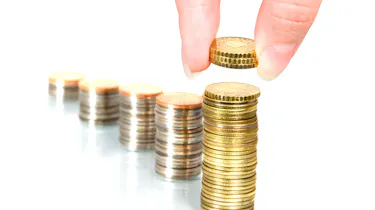
The balloon payment is the amount you still owe the lender once you’ve reached the end of the finance payment period of a Personal Contract Purchase (PCP) finance agreement.
Now, this isn’t a case of lenders saying in menacing voices: “you still owe us more money”. It’s actually a clever way to reduce the amount you’ll shell out in monthly payments and it’s built into the PCP finance deal.
How does a balloon payment work?
A traditional Hire Purchase (HP) car finance agreement requires you to put down a deposit, and pay off the rest in equal monthly payments. Once all the payments are made, you own the vehicle.
A PCP car finance agreement is different. In effect, a PCP deal is broken down into three parts – a deposit, monthly payments, then a balloon payment at the end, which is also known as an ‘optional final payment’.

So, you put down a deposit, pay the monthly payments to finance the middle part of the purchase, then face the large balloon payment at the end of the agreement. This is what allows the lower monthly payments on a PCP deal, thereby making the car more affordable. But until you pay off the balloon payment or optional final payment, you don’t own the vehicle.
At the start of the agreement, the lender estimates what the vehicle will be worth when you reach the time to pay the balloon payment, and works out your monthly repayments from that.
This is what can help to make cars with strong residual values easier to finance on PCP deals, because they hold on to a significant portion of their original value.
What happens at the end of a PCP deal?
When you reach the end of the payment term of your PCP deal, you face choices. You can pay off the balloon payment and take ownership of the vehicle, you can elect not to pay the balloon payment and hand back the vehicle, or you can sell the vehicle to pay off the balloon payment.
Another option is to refinance the balloon payment. The downside of this is that you’re simply extending the amount of time you’re financing the original vehicle purchase, although this will still keep down the cost of monthly repayments.

Bear in mind that if you choose to hand back the vehicle, it will have to be in good condition and the odometer must be within the limits specified when the paperwork was signed. If it isn’t, the vehicle could be worth less than you still owe on the balloon payment.
However, if you really look after the car and it holds on to a good portion of its value, then it could end up being worth more than you owe on the balloon payment, in which case you have some equity in the agreement, which you can get back from the lender.
Alternatively, you can use this as part of a deposit for a new car and subsequent PCP agreement.
Will a PCP finance deal suit me?
You should always consider carefully before entering into the PCP agreement whether or not you want to take ownership of the vehicle at the end, and therefore whether or not you’ll be able to afford the balloon payment. If you have doubts about whether you’ll be able to pay it, a traditional HP agreement could better suit your needs.
A PCP agreement and balloon payment look like an easy way to get the car you want, but you need to look ahead at what you need the car for, and whether or not final ownership is your ultimate aim. If it is, and you plan to use the car heavily, an HP agreement will better suit your needs.
However, if you plan to hand back the car (or roll into a new agreement), then a PCP makes an affordable and convenient option.
Our dealer network has 1,000s of great value new cars in stock and available now right across the UK. Find your new car…