OZEV grant: what is the Electric Vehicle Chargepoint Grant and am I eligible?
Buying and owning an electric car comes with a big lifestyle change, but a government grant could save you quite a bit of cash
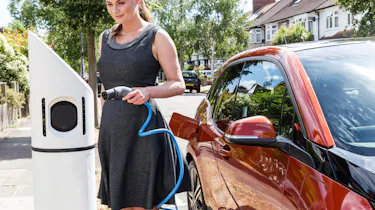
The government’s Electric Vehicle Chargepoint Grant (EVCG), also known as the Office for Zero Emissions Vehicles (OZEV) grant, was introduced in April 2022 as a replacement for the outgoing Electric Vehicle Homecharge Scheme (EVHS) and came into effect around the same time that the original Plug-in Vehicle Grant was discontinued. A new Electric Car Grant (EGC) was introduced in 2025, offering up to £3,500 off a brand-new EV – providing you choose from a specific list of models.
The current Electric Vehicle Chargepoint Grant contributes up to £500 towards the purchase and installation of a new home EV charger, often referred to as a wallbox charger. Today, however, the OZEV grant is only available to specific groups of renters, flat owners, businesses, workplaces and landlords, plus home owners with on-street parking. Those with driveways are no longer eligible.

There are many benefits to having a home charger. Not only is charging at home overnight more convenient than having to spend half an hour every few days at a public charging station, it’s also significantly cheaper (rates start at around 7p/kWh on an off-peak energy tariff) in the long term. If you have an EV, getting a wallbox charger is a very good idea.
But what exactly are the terms of the EVCG? Can anyone apply? How much do you get towards the price of a charger? How long will the grant go on for? Our handy explainer intends to answer all of your most burning questions.
What is the EV Chargepoint Grant?
As explained, the EV Chargepoint Grant is intended to help electric car owners out with the purchase and installation of a new home electric-car charger. Specifically, it provides up to 75 per cent of the overall cost, up to the value of £500. This figure was increased from £350 in 2026 to help more people with the considerable cost of installing a charger at home.
In short, if you’re lucky enough to be able to source and fit an EV charger for, say, £200, the entire deal would be covered by the government grant. However, given that the average cost to buy and install is around £1,000, the grant could cut the bill in half. Of course, it all ultimately depends on the cost of the charger you pick and the amount charged (pun not intended) by your installer.
Who is eligible for the OZEV?
Unlike the old EVHS, which was available to anyone who owned an electric car and had off-street parking, the new OZEV grant originally restricted this only to people living in a flat or rented accommodation, also with off-street parking.

In 2024, this was extended to those living in accommodation with designated on-street parking – regardless of whether the property is a flat or a house. Applicants must prepare a cross-street charging solution before the chargepoint is installed and apply for permission from their local council to do so. A full explanation of how to do this can be found on the Gov.uk website.
Regardless, those applying for the OZEV grant must own an electric car – this means they’ve either already got the keys, got an EV on order, or have a lease car that they’ve had for more than six months under an agreement that expires in over six months' time.
It’s worth noting that if you’ve already applied for the previous EVHS grant, you won’t be able to apply again for this new one. Those who already have a charger installed at their home aren’t eligible, either – even if the current set-up isn’t compatible with their car.
Can landlords apply for the OZEV grant?
Landlords can indeed apply for the EV chargepoint grant, but things are quite different than they are for private applicants. The reason for this is that – unlike private owners and renters who can only claim the grant once, even if they have more than one electric vehicle – landlords receive up to £500 of funding per socket they install; this can be used several times for up to 200 grants per year annually for residential properties, plus an extra 100 times for commercial properties.
Are there any restrictions on what charger and installer I have?
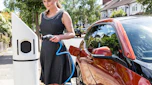
Yes, there are restrictions on what chargepoint and installer you can use with the OZEV grant. Both must be on the Office for Zero Emissions Vehicle’s respective lists of approved models and tradespeople. Using a charger or installer other than those listed will mean you won’t qualify for the grant and will therefore not receive funding.
When is the deadline for the OZEV grant?
The Office for Zero Emissions Vehicles has announced that it will discontinue its grants for EV chargers on 31 March 2027. After that point, it’s unknown what other scheme will be introduced – if any.
Those looking to apply must ensure they have submitted their application and completed all of the necessary steps before the deadline, lest they risk losing the opportunity to receive funding.
Thinking of buying an electric car? These are the pros and cons of owning an EV today...