What was the UK plug-in car grant?
The UK plug-in car grant offered a discount on the cost of buying an electric car before being axed in June 2022

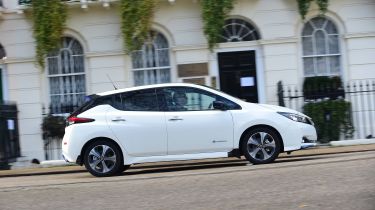
New zero-emission cars, primarily EVs, purchased in the UK used to be eligible for the plug-in car grant (PiCG). The Government put a sum of money towards the purchase of zero-emissions vehicles, creating a cash incentive for buyers to switch to electric cars and vans. The plug-in car grant was discontinued in June 2022.
The plug-in car grant, along with higher taxes for some new diesel cars, was aimed at helping the country achieve its targets for cutting CO2 emissions. It also made it easier for people to buy low-emissions cars. The grant was axed in June 2022, but in October 2022 the DfT announced an extension to the scheme that would allow existing orders to be fulfilled following delays caused by supply chain issues.
In 2025, the UK government announced that it is relaunching an EV grant scheme, known as the Electric Car Grant. The new Electric Car Grant will be available on cars costing under £37,000 and cut the price of a new EV by up to £3,750, subject to certain conditions.
How did the plug-in car grant work?
The Government sorted all cars on sale into seven categories, depending on how much carbon dioxide (CO2) they produced and how far they could travel without any emissions.
Until October 2018, incentives applied to Category 1, 2 and 3 cars, which were deemed to be the least polluting.
However, various changes to the PiCG meant that Category 2 and 3 vehicles (all plug-in hybrids) eventually lost eligibility for the support, while the discount for Category 1 cars was reduced over time, until the grant was totally axed.
The grant was administered by the Office for Zero Emission Vehicles (OZEV). It decided which cars are eligible based not only on emissions, but also on factors such as safety features, warranty and top speed.
In its final phase before it ended, the grant covered up to 35 per cent of the car’s purchase price, up to a maximum of £1,500, if the car had a list price below £32,000 (any optional equipment selected by the customer was not included in the calculated list price).
An eligible car also needed CO2 emissions of less than 50g/km, and had to be able to travel at least 70 miles without emitting any CO2. Finally, it had to be on the OZEV's approved list.
What cars qualified for the plug-in car grant?
Cars which qualified for the plug-in car grant were were categorised as follows:
- Category 1: Vehicles with a range of 70 miles making zero emissions, and a manufacturer quoted CO2 emissions figure of less than 50g/km.
- Category 2: Vehicles with a range of at least 10 miles making zero emissions, and a manufacturer quoted CO2 emissions figure of less than 50g/km.
- Category 3: Vehicles with a range of at least 20 miles making zero emissions, and a manufacturer quoted CO2 emissions figure of between 50-75g/km.
If your car qualified for Category 1 and cost less than £32,000 new, excluding any optional extras, then you could have benefitted from the PiCG maximum, which paid 35 per cent of the car's value, up to a maximum amount of £1,500.
Category 2 and 3 vehicles used to qualify for a 35 per cent reduction if they cost under £60,000, with the maximum amount saved at £2,500. However, the 2018 reforms meant Category 2 and 3 cars no longer qualified for the PiCG.
How did you apply for a Plug-in Car Grant?
There was no need for buyers to do anything to ensure that the PiCG was applied to the car that they buy, because the dealer they were buying from handled all the paperwork. The grant used to be deducted from the car's list price, and the dealer did the rest.
Are there any other electric car grants available?
There are other grants which you might be eligible for if you’re looking to buy an electric car.
The Government will also give you up to 75 per cent of the cost of installing a home-charging wallbox, up to a maximum of £350. There are a few conditions you must meet.. The charger must officially be an approved ‘smart’ charger and you need to have your own off-street parking. You must also be the registered keeper of an eligible car (or have one on order).
While not officially a grant, some car brands and dealerships currently offer large discounts or zero-per cent interest and PCP deals when you order a brand-new electric car.
Is there a plug-in van grant?
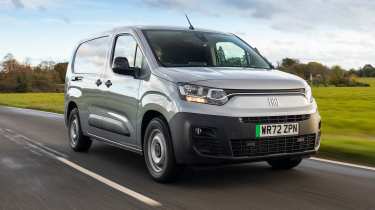
Van buyers can get a grant worth up to 35 per cent of the cost of an electric van with a value cap based on the gross vehicle weight of the van. For small vans the cap is £2,500 and for large vans it's £5,000. You can get full details on the plug-in van grant here.
Now you can buy a car through our network of top dealers around the UK. Search for the latest deals…
Your electric car questions answered
- Electric car FAQ
- Should i buy an electric car?
- What’s the best way to buy an electric car?
- Is a hybrid, plug-in hybrid or electric car right for me?
- Should i buy a used electric car?
- How is electric car range calculated?
- How much do electric cars cost to charge?
- How much do electric cars cost to run?
- How long do electric car batteries last?
- What happens to old electric car batteries?
- Should i get a heat pump on my electric car?
- What are fast charging and rapid charging?
- Should i get a home electric car charger?
- Can i tow with an electric car?
- Is wireless electric car charging the future?
- What’s the history of the electric car?