Last chance: Gov asks for driver’s view on controversial car emissions law changes
New proposals could see drivers face fines of up to £1,000 if their car’s emissions don’t match the approved emissions standard

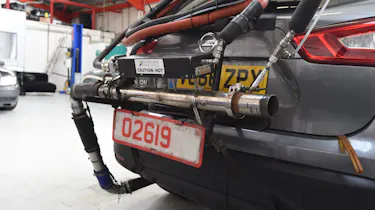
It’s the last chance to have your say on the Government’s proposals for changes to the vehicle emissions laws. A consultation is set to close on 6 September which, if all goes to plan, could see drivers fined up to £1,000 if their car doesn’t meet its approved environmental standard.
The Government says its plan “aims to bring in stronger measures to ensure emissions are properly controlled throughout a vehicle’s life, because poorly maintained or modified [emissions control systems] can lead to increased nitrogen oxides and particulate emissions, negatively affecting air quality and public health.”
In principle, lawmakers plan to enforce a section of the 1986 Road Vehicles (Construction and Use) Regulations which requires vehicles built post-2001 to be maintained to the same standards at which they were type-approved. With this in mind, a car that was approved to Euro 5 emission standards when it first launched must continue to meet those standards in order for the driver to avoid a fine.
While this is intended to clamp down on poorly-mainted vehicles pumping out noxious gases – a recent study of over 94,000 UK vehicles in cities found fewer than one in 10 met official limits for nitrogen oxide – it will also have a huge knock-on effect on modified vehicles.
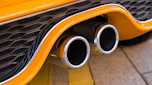
Under the Department for Transport's plans, removal of things like diesel particulate filters (DPFs) or reprogramming the ECU in a way that produces more power but increases emissions will be banned. While removing a catalytic converter will remain illegal, a sports cat system that produces higher emissions could also soon be outlawed.
Will there be exemptions?
There will be some exceptions to the rules; vehicles utilised off-road, such as track-only cars, won’t need to comply.
The Government also says vehicles with higher-than-approved emissions will also be exempt from fines when “the cause is not a modification made once the vehicle is in-use, normal servicing would not fix the problem and all emission‑control devices (such as a DPF) are present and working correctly”. This should present a get-out for properly maintained vehicles that have seen emissions increase through normal wear and tear.
Until the consultation closes on September 6, Drivers can log onto the Government’s online form to have their say on these proposals, or post their views to the address listed on the official website. If all goes as planned, the new rules will come into force in the summer next year with a six-month lead-in time, with enforcement carried out by the DVSA through MoT and roadside testing.
Don't miss the best of Auto Express on Google! Make us a preferred source. Click here...