UK petrol and diesel prices: latest fuel costs explained
Petrol and diesel prices are constantly fluctuating, below we explain why and map out everything you need to know to save money at the pumps.
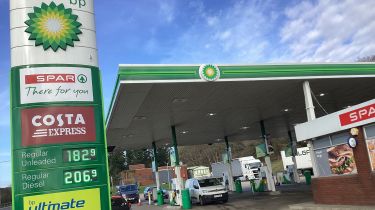
Petrol and diesel prices had been on a steady decline for most of 2025, but the cost of filling up your car is slowly beginning to creep up once more.
In January 2026, the price per litre for petrol fell to its lowest point since summer 2021, with Brent crude oil prices, the type typically used for the manufacture of petrol, dipping below $60 a barrel.
Things aren’t quite as rosy now, though, and the pockets of motorists are being picked at the pumps once again. Since January, prices have been on the rise, before jumping sharply due to the ongoing conflict in Iran and the Middle East.
At the time of writing, Brent crude sits at $108 per barrel, with the average price of petrol reaching 169.52p a litre and diesel up to 191.54p per litre.
These are the highest we’ve seen for more than four years, and while today’s prices thankfully haven’t broken the record averages of 191.43p per litre of petrol and 199.07p for diesel in July 2022, motorists are still feeling the pinch. This is where our handy guide comes in; not only have we got the very latest fuel price figures, courtesy of the RAC, but we’ve also got the answers to some of your most burning questions.
Live UK average fuel prices
What is influencing the price of petrol and diesel at the pumps?
There is a lot of conflicting news and information circling the media at the moment when it comes to the cost of living, which may leave you wondering why fuel prices are going up again.
Wind back a few years to just after the rock-bottom fuel prices during the COVID-19 pandemic and the original spike came after Russia’s invasion of Ukraine in 2022. Sanctions placed on the Kremlin, as well as the fact that Ukraine is typically deemed as a ‘transit’ country for exporting oil and gas, meant that at the start of the war, the price of oil rose to a peak of well over $100 per barrel.
Yet, while the war in Ukraine has been raging for over four years now, a lot has happened since then, causing fluctuations in the prices of petrol and diesel. Tensions in the Middle East have remained stubbornly high, with the war in Gaza, and now the conflict in Iran causing some spikes in the price of oil.
Between the evening of Friday 27 February and Sunday 1 March 2026, Brent crude oil rose from around $73 to $80 per barrel of oil.
The introduction of Fuel Finder
Things aren’t helped by the sky-high profit margins of petrol and diesel retailers in the UK, either. A report by the Competition and Markets Authority (CMA) towards the end of 2025 uncovered that retailer margins remain “historically high”, with the regulator dismissing claims from firms that such margins are justified given spiralling overheads.
In order to combat high fuel prices, the Government has finally introduced its Fuel Finder scheme. Prior to the scheme, filling stations only needed to advertise prices on their forecourts, which means drivers must drive between stations to compare prices.
Now firms must register their forecourts via the online portal and notify the scheme of any price changes within 30 minutes of them coming into effect. Latest prices are available through mobile phone apps like PetrolPrices and fuelGenie. The Fuel Finder scheme is estimated to save drivers an average of £40 per year through better pricing information, although this remains to be seen.
Why is supermarket fuel cheaper than an independent forecourt?
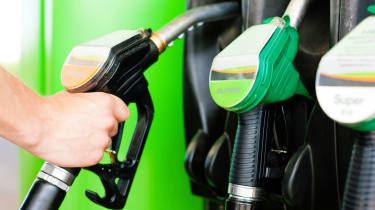
In the past, supermarket forecourts have tended to offer the cheapest fuel prices and this was because of the market power supermarkets hold.
Companies like Asda, Tesco, Sainsbury’s and Morrisons are all in competition with one another, so they have kept fuel prices as low as possible hoping that when motorists come to fill their tank, they might do their weekly grocery shopping, too.
In more recent years, however, fluctuating fuel prices have caused some analysts to question whether supermarket fuel really is cheaper. In September 2022, RAC fuel spokesman Simon Williams explained that, “there are lots of smaller forecourts which are now selling fuel much cheaper than the supermarkets. We would urge everyone to shop around for the best deals rather than simply assuming the supermarkets are the lowest because they have been in the past.”
There are persistent rumours that supermarket fuel contains fewer additives and is of lesser quality than fuel from traditional forecourts, but there’s little hard evidence of this. All fuel sold in the UK has to abide by the standards set in the Motor Fuel Regulation.
Why is fuel so expensive on motorways?
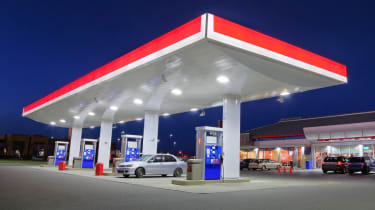
Motorway fuel stations argue the reason their prices are higher is that many of them are open 24 hours a day and offer more services than a regular forecourt. Motorway fuel stations also pay high rent prices for the buildings they operate, while there is an argument that motorway drivers are something of a captive audience.
In more remote areas, fuel is often more expensive because of the higher transport and supply costs, but according to RAC fuel spokesman Simon Williams, this doesn’t apply to motorway stations: “We can see no reason why motorway fuel should be so much more expensive. In fact, arguably it is much easier from a delivery point of view than getting fuel to urban filling stations.”
In more remote areas, fuel is often more expensive because of the higher transport and supply costs, but according to RAC fuel spokesman Simon Williams, this doesn’t apply to motorway stations: “We can see no reason why motorway fuel should be so much more expensive. In fact, arguably it is much easier from a delivery point of view than getting fuel to urban filling stations.”
What makes up the price of UK fuel?
The price of fuel can be divided into three sections:
- The taxes imposed by the Government.
- The costs of drilling, refining and transporting.
- The profit margins for the fuel companies.
For petrol, diesel and biofuels, the Government gets around 60 per cent of the overall cost through fuel duty and value added tax (VAT).
The fuel duty represents the fixed price of fuel – it stays the same regardless how much overall oil prices fluctuate. Currently, the Treasury adds 52.95 pence to each litre of fuel through fuel duty – inclusive of the temporary 5p cut – and another 20 per cent through VAT. How much you pay in VAT depends on how much fuel you purchase.
The second biggest chunk comes from the wholesale costs of the fuel itself. The wholesale cost is a combination of currency exchange rates, global oil prices, and even domestic supply and demand.
Why is diesel more expensive than petrol?
Although diesel and petrol are taxed the same by the Treasury, historically diesel has been more expensive than petrol, as domestic refineries have struggled to meet demand. This has forced the UK to import diesel from other countries at a greater rate than petrol. In addition, diesel prices are pushed up by the cost of the additives that go into the fuel.

Furthermore, the gap between UK petrol and diesel prices widens during the winter. The end of the US “driving season” means retailers have a surplus of petrol they can’t export, so they sell it here at a lower price. Diesel demand, meanwhile, increases across continental Europe, where the fuel is commonly used in heating oil.
Recently, the influx of cheap diesel from countries like Saudi Arabia has turned the tide, swinging diesel wholesale prices closer to that of petrol, and bringing the pump price down with it. However the fact that we get a higher percentage of diesel from Russia than petrol means the advantage has swung the other way again.
Why are petrol and diesel prices more expensive in rural and remote areas?
Rural communities which are a significant distance from fuel terminals are more likely to experience higher fuel prices.
To try and combat high rural fuel prices, the Government provides a 5 pence per litre reduction on the standard UK rate of excise duty to fuel retailers in a number of specified rural areas including island communities like the Inner and Outer Hebrides, Northern Isles (Orkney and Shetland), the islands in the Clyde and the Isles of Scilly.
The rural fuel duty scheme also operates in 17 other towns in Scotland and England which have similar characteristics to those mentioned above, such as remoteness and high cost of fuel.
Don't miss out! See more of Auto Express in your Google Top Stories. Click here...