Tyre fuel efficiency explained: rolling resistance rating and eco tyre types in detail
Here is a guide to tyre rolling resistance and the benefits of choosing eco tyres
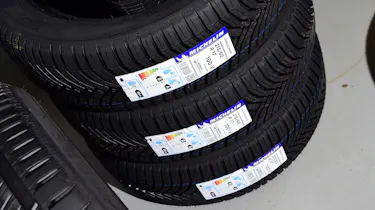
Tyres are the only contact point between your car and the road. They also have a dramatic effect on the car’s fuel economy, with the rolling resistance in particular having a major impact on how often you need to fill your tank with fuel. But what is rolling resistance?
Put simply, rolling resistance is the force that opposes a tyre’s motion as it rolls along the road. The higher the rolling resistance, the more energy is required to keep the car moving, which results in greater fuel consumption or, if you’re driving an electric car, reduced range.
According to Michelin, a 30 per cent increase in rolling resistance generates 3 and 5 per cent of fuel overconsumption, while Nokian Tyres says rolling resistance amounts to approximately 20 per cent of the car’s total fuel consumption. It’s not something you want to ignore.
Key factors affecting tyre rolling resistance
Several elements have an effect on tyre rolling resistance, including tyre pressures and tread depth, tread pattern, tyre size, vehicle load, temperature, and the materials used in the tyre construction.
A tyre inflated to the recommended pressure will maintain its shape and roll with less resistance, so it’s important to check the pressures at least once a month. Quality tyres should come with excellent rolling resistance from the factory, but it’s up to you to keep them in optimum condition – and this includes keeping an eye on the pressures.
What is a tyre’s rolling resistance rating?
Every new tyre sold in Europe comes with a label that shows the energy rating. An update in 2021 saw the fuel efficiency chart being changed to overall rolling resistance, with the information displayed alongside the rating for wet grip, the noise it generates, plus icons for tyres suitable for use in snow and ice.
Rolling resistance is rated from A to E, with A being the most efficient and E the least efficient. According to the European Commission, the difference between A and E could be as much as 7.5 per cent.
It’s important to remember that rolling resistance is a necessary part of a tyre’s construction. Part of it is caused by the friction between the tyre and the road surface, contributing to the car’s grip and therefore the safety of its occupants.
What are eco tyres?
To provide the best balance of rolling resistance and fuel economy, many manufacturers have developed special eco tyres, also known as energy-saving tyres, which incorporate silica in the compound of the tyre to reduce friction and heat, while making the tyre lighter and stronger. This means they last longer, making them better for the environment.
You’re likely to find eco tyres fitted to hybrid or electric cars because they help car makers meet efficiency targets, but they can also be used to increase fuel economy on standard petrol or diesel cars.
Eco tyres are designed to minimise energy loss as the tyre rolls, leading to reduced fuel consumption in a standard car or increased range in an EV. You’re unlikely to find a set of eco tyres on a performance car as they tend to sacrifice dynamic capabilities like handling, traction and feel in the name of fuel economy, but they can have a dramatic impact on fuel consumption.
Are there other benefits of eco tyres?
There’s more to eco tyres than reduced rolling resistance. Some incorporate sustainable materials, such as natural rubber and organic cotton, to reduce their environmental impact. Others are designed to cut CO2 emissions during their production.
An eco tyre is also likely to be quieter than a standard summer or high-performance tyre. The tyre label shows the exterior noise generated by the tyre when it’s travelling at 50mph, with the actual figure measured in decibels (dB) and a rating from A to C (with A the highest).
What are the downsides of eco tyres?
Eco tyres tend to be more expensive than standard summer tyres due to the cost of development and the materials used. That said, the higher purchase price could be offset by the improved fuel economy over time.
As hinted earlier, eco tyres aren’t suitable for high-performance cars, and they may not perform as well as all-season tyres in wet or icy conditions.
Should I fit eco tyres to my car?
Eco tyres are ideal for drivers who prioritise fuel economy and reduced environmental impact over dynamic capability. Some cars were designed to have eco tyres from the factory, so switching to standard tyres will have a negative impact on the car’s fuel economy. For example, the old BMW 320d had smaller alloy wheels and eco tyres to achieve 15 per cent rolling resistance and improve fuel economy.
As an aside, you should fit EV-specific tyres to an electric car. Read our electric car tyres guide for more information.
Time for new rubber? These are the best car tyres to buy now...