Forget electric vans, the future is hydrogen
Mike Rutherford wonders why the demand for electric vans is plummeting in the UK

Controversial people and products enjoying lucrative comebacks at the minute include Oasis, the band, and diesel, the fuel. This is not some sort of conjecture on my part. Sales of factory-fresh, diesel-powered light commercial vehicles (LCVs) are up this year. Derv-head LCV buyers aren’t disappearing anytime soon.
They like their diesel car-derived vans, pick-ups, 4x4s and traditional LCVs of the small, medium, large and XL variety way too much. Happy buyers/users include taxi and minibus firms, builders, farmers, collection/delivery drivers, utility companies and countless others who mainly need such vehicles as essential work tools. And in the case of the growing number of people priced out of the housing market, they’re tiny temporary or permanent homes.

Sales and market share for this wide array of new diesel LCVs have increased this year, with more than 200,000 registered up until the end of August. Comparing like with like over the same period last year, the number of registrations and slice of the pie for small/light 100 per cent-electric versions shrunk, with just 11,000 private owners, businesses or local/national governments and other state agencies signing up for them.
That’s bad. But it gets worse. Demand for up-to-4.25-tonne electric vans between January and August 2024 plummeted by almost 40 per cent compared with the same period in 2023. Only 566 have been bought in Britain this year. Last month, fewer than one a day was sold, representing an unsustainable 85 per cent slump (vs August 2023).
Part of the lazy ‘plan’ dreamt up by mostly clueless, hopelessly out-of-touch politicians is that newly built light commercial EVs are supposed to be purchased and used starting not in the 2030s or 2040s, but NOW. Yet sales have gone from bad to worse to abysmal in 2024, when only five per cent of LCV consumers were brave enough to put their hands in their pockets and make the switch to full-blown EV tech.
At the same time, well over 90 per cent have stayed loyal to new diesels that are far cheaper to buy or lease, while spending considerably less time being refuelled or recharged – otherwise known as downtime, one of the biggest, most expensive negatives for companies and drivers trying to earn a living by keeping their wheels rolling.
Looking at all the LCVs on the road today, around 99 per cent don’t have pure-electric motors but do have tanks (overwhelmingly diesel), while a mere one per cent don’t.
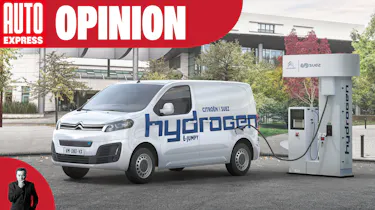
How many decades will it take for that 99:1 ratio to become 1:99? Way too many. If ever. That’s why the visionary work started by the likes of Toyota, BMW and Hyundai needs to step up several gears and we must accept and plan for a future that goes like this: for LCVs (and HGVs), pure-EV tech isn’t the best or most appropriate. Hydrogen is.
Do you agree with Mike? Let us know your thoughts in the comments section...