Electric cars are vital if transport is to help combat climate change
Despite poor EV sales, editor-at-large Phil McNamara thinks electric cars are only going to become more important

Ernest Hemingway’s adage that you go bankrupt in two ways – “gradually, then suddenly” – feels very apt after a rocky week for the electric transformation. Some mighty car companies published gloomy financial results, with ongoing electric investments and missed EV sales targets partly to blame.
Meanwhile, a survey by the Society of Motor Manufacturers and Traders claimed that three in five new-car buyers wouldn’t consider an EV even with a government subsidy, and the Public Accounts Committee shone a light on ‘dark spots’ in the charging infrastructure.

Porsche became the latest manufacturer to walk back ambitious targets, having previously suggested four out of five deliveries would be EVs by 2030. CEO Oliver Blume said: “After a strong start, it’s turned out we were ahead of market developments and the sustainable ramp-up has not come true.”
Blume had a busy week talking finances with reporters and investors – he’s overall CEO of the Volkswagen Group too. He expressed relief that the threat of big fines for missing European CO2 targets had receded, with legislators temporarily loosening quotas requiring car sales to be 22 per cent EV.
But VW Group’s operating profit slumped by 15 per cent, as it haemorrhaged sales and revenue in the world’s biggest car market, China. The group also paid some big restructuring costs, tackling excessive European capacity.
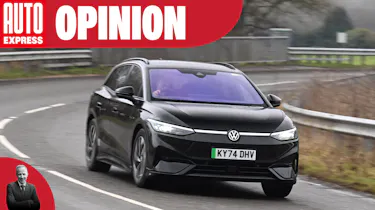
But one message came through loud and clear: transport needs to decarbonise to combat climate change, and electrification is key. Volkswagen won’t be turning back: it will ramp up two European gigafactories by the end of 2026, and introduce affordable EVs: the ID.2 and the ID.1.
So Europe’s electrification push is far from bankrupt. As one car industry executive told me recently: “Even the more conservative expectations are that early next decade, the majority of the European car market will be electric.
“So within a couple of decades, we will have seen a rapid transformation from more than 100 years of combustion to a completely different drivetrain, including all the infrastructure and technology that goes with it. That’s the perspective we need when people ask, ‘What’s gone wrong?’.”
Click here for our list of the best electric cars...