New Polestar 6 range-topping roadster still planned but on the back-burner
The Polestar 6 flagship roadster was due in 2026 but the brand’s refocus on volume segments means the wait will go on

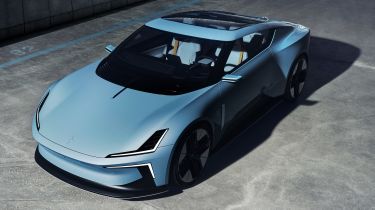
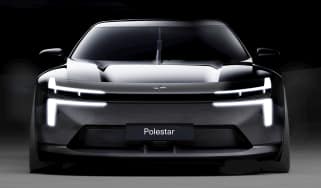
The Polestar 6 roadster is still in the firm’s product plans, although the range-topper has been deprioritised in favour of the new 2 saloon and 7 small SUV as the brand looks to shore up its volume ambitions and move beyond 100,000 cars a year sold globally.
The Polestar 6 electric convertible has been talked about since 2022 when it was previewed by the Polestar O2 concept car, and was originally set to hit the road this year, but won’t now be seen before 2029, as entering core big-selling segments takes priority for the brand.
“Polestar 6 will be small volume,” the company’s chief executive Michael Loscheller told Auto Express at a media event in Gothenburg. “We are targeting the big-profit potential of segments and that’s what we should have done in the first place. We are working on 6 as a high-end product.”
“The 6 is still in the plan, but plans can change,” a Polestar insider told Auto Express.
A limited run of 500 LA Concept editions of the car were sold out within weeks of being announced back in 2022, with each secured via a $25,000 deposit. That car was originally scheduled to launch in 2026, ahead of the regular series production version hitting the road as a glamorous drop-top, which sits on a modified version of the Polestar 5 GT’s platform.
The Polestar 5 will be the next new model from the Swedish EV brand, coming this summer ahead of an estate version of the 4 Coupe late this year and an all-new Polestar 2 saloon in 2027. An entry into the big-selling small SUV sector is also on the way with the 2028 arrival of the Polestar 7, before attention then turns to the drop-top model currently earmarked to arrive before the end of the decade.
Check out the latest leasing deals on new Polestars through the Auto Express Buy a Car service...
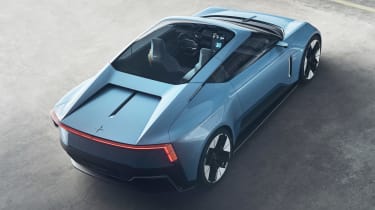
Polestar O2 concept car
Confirmation that the Polestar O2 concept would become a road-going car wasn’t too surprising, given that the then Polestar CEO, Thomas Ingenlath, spoke openly of the possibility at the car’s unveiling.
The 4.7-metre-long roadster would use an adapted version of the Polestar 5’s platform, with a shortened wheelbase but still seating four in a 2+2 configuration, plus a folding hard-top roof. There’s a UK engineering angle to the platform as well, with key R&D work for the architecture taking place at a Polestar UK base located at the MIRA proving ground in Warwickshire.
The brand confirmed some targeted performance figures aligning with the possible maximum performance of the 800V platform. Up to 872bhp and 900Nm from a dual-motor set-up was suggested, along with an aim of 0-62mph in 3.2 seconds and a top speed of 155mph. No range has been quoted, but with over 400 miles possible in the 5, expect a similar figure.
For the O2 concept, Polestar’s engineers modified the 5’s platform by removing the ‘foot garages’ - in effect, the holes in the battery floor used on that car to provide rear footwells. This means the O2’s wheelbase is 400mm shorter than that of the 5.
Ingenlath told us that the O2’s dramatic styling - which includes a deeply scalloped bonnet and pronounced, squared-off haunches over the rear wheels, was “realistic”. “Our concept cars have the spirit of being tangible,” he said. “From a packaging perspective, and how it is constructed, it is possible to put a car like the O2 into production.”
The O2 concept car features a typically neat Polestar interior, with clean lines, few buttons and a sizeable portrait-layout infotainment system that ‘floats’ in front of the dashboard. The most concept-like feature is a drone, which can be stored behind the rear seats and take off even when the car is moving. It can be controlled using the central display and follow the car at speeds of up to 56mph, either maintaining focus on the driver’s face or moving further away for a more panoramic view.
The car also features next-generation sustainable materials. They include the use of recycled polyester as the single material in all soft components, reducing the complexity of manufacturing but also making the vehicle more straightforward to recycle.
Get even more from Auto Express, follow our channels...
• Google
• Reddit
• Whatsapp