Volvo XC40, XC60 and XC90 SUVs will all get a revamp as brand hedges bets with hybrid
The pragmatic decision will see Volvo building hybrids for as long as customers ask for them

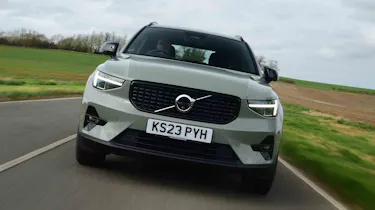
The future might be electric, but in the short term Volvo has no plans to isolate any customers not ready to make the switch to EVs. In conversation with Håkan Samuelsson, Volvo’s recently re-instated CEO, he told Auto Express the brand will continue building hybrids “for as long as customers keep asking for them”.
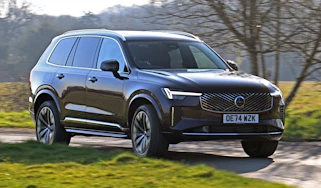
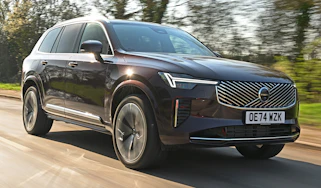
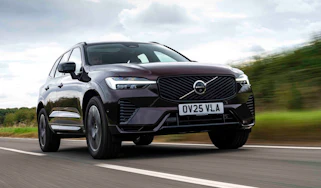
The existing models won’t just sit still, though, because all three of the brand’s existing ICE-powered SUVs will be upgraded, adopting the latest technology and design as seen on Volvo’s new all-electric models.
This applies to the top-selling XC60 and XC90, both of which will be revamped far more substantially than in the recent tweaks that arrived last year. However, while Volvo has confirmed that it’ll collaborate more closely with parent company Geely for its future hybrid models, it remains to be seen whether this pair – built on Volvo’s own SPA architecture – will continue on use these same underpinnings, or migrate onto a platform shared with Geely.
What we do know is that these new models will feature a ‘Gen 2’ plug-in hybrid system, which will build on learnings from the car’s current systems, plus those being developed by Geely. This should see the battery sizes increase, so there’s less reliance on the ICE engine.
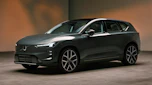
While the new set-up won’t be specifically classified as a ‘range-extender’, Samuelsson did tell us: “the current plug-in hybrid system will eventually migrate to that type of system. What you see in the (China-only) XC70 is an example of what it will look like.” This should see EV ranges extend up to between 100-150 miles, with more powerful electric motors driving the wheels.
This switch to prioritising the electric drive could also see the current turbocharged 2.0-litre four-cylinder swapped out for a more efficient option, potentially including features such as a ‘Millar’-cycle combustion system, smaller turbos and lower capacity. By not connecting the engine to the wheels, these powertrains can run in narrow efficiency zones because they only need to charge the batteries, rather than handling day-to-day driving.
The smaller XC40 is the final piece in Volvo Europe’s hybrid plan, with Samuelsson saying: “We will keep this [the XC40] in the plan; it’s very important to us, and will be upgraded.”
Because today’s XC40 is already on a co-developed SEA platform, the next generation will almost certainly use one of the group’s shared platforms. However, given its smaller footprint, we expect the hybrid elements to be less substantial, potentially remaining as a traditional plug-in set-up due to the tighter packaging constraints.
In all cases, though, Volvo remains committed to doing as much of the engineering for its international models in Sweden as possible. “All non-Chinese-market models will continue to be developed right here in Sweden”, Samuelsson said. The company will use European talent to make sure these are true Volvos, regardless of where the technology has come from.
When will we see these new models? With the new EX60 about to start production, we don’t expect to see anything new until later this year or next, but the XC40 is likely to be top of the list for a revamp. Considering that both XC90 and XC60 have been given recent updates – albeit relatively small ones – it’ll be at least two or three years before those appear.
Take a look at the latest Volvo deals right now, courtesy of our network of top dealers. Search for the latest offers…