Don’t blame your new car being too thirsty, unless you’ve run it in properly
Breaking in your new car’s engine might sound old-fashioned, but it could be more important than ever

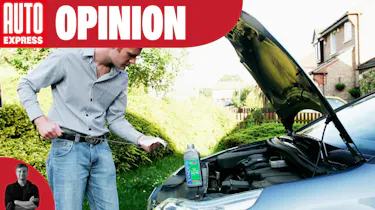
We’re in the midst of a fuel crisis, so it’s understandable that UK drivers will be keeping an even keener eye on their car’s efficiency. If you’ve just bought a brand-new vehicle and it’s not as efficient as the manufacturer claimed, then don’t panic; it might just need something known as a ‘break in period’.
Breaking in a car is an exercise manufacturers have been recommending for decades to give the vehicle its best chance of providing its claimed efficiency, performance and durability. The breaking-in process relates not only to how you’re driving your car, but also how you maintain it. While some tips for breaking in a car, such as looking after your tyres, brakes and suspension, can be applied to EVs, we’re focusing on the efficiency of combustion-engined cars here.

Although modern automotive technology means most contemporary cars no longer demand a rigid running-in process, many car makers still offer some guidance in the manual to help maximise engine life. For instance, Toyota tells customers not to use cruise control for the first 621 miles. This is to help the engine run at a variety of speeds, which is preferred over an extended period of constant revs early in an engine’s life. However, Toyota also says to avoid high engine speeds (over 4,000rpm) during this time.
If you’ve just splashed out on a new performance car from BMW’s M division, then the firm also advises you not to use launch control, perform harsh kick-downs, drive under full load or – for the autobahn and track day enthusiasts out there – go above 105mph for the first 620 miles.
While it’s recommended that you should watch your revs, you should also avoid short trips to ensure your new engine always reaches its proper operating temperature. Short journeys can interfere with lubrication and cold oil can cause premature wear. Keeping your load light is a good idea too, because towing trailers or carrying heavy items works your engine harder. It’s a good idea to monitor your engine oil over the first 1,000 miles too.
Even if you do stick to this advice during your first few hundred miles, you may still find your new car’s efficiency not quite matching the manufacturer’s claims. Some Auto Express long-term test cars I’ve run recently have started out at a few mpg below the claimed figure, only for them to (thankfully) rise after 1,000 miles or so once the engine has bedded in.
Get even more from Auto Express, follow our channels...
• Google
• Reddit
• Whatsapp