New Volkswagen Polo hybrid to keep petrol power alive alongside ID. Polo EV
Volkswagen prepares significant overhaul for the Polo in petrol and hybrid flavours

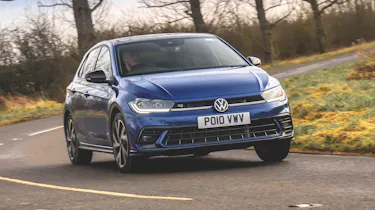
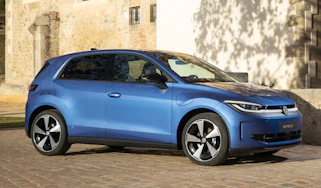
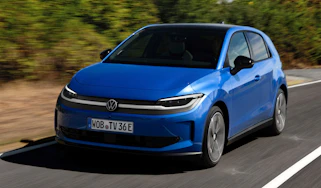
The brand-new electric Volkswagen ID. Polo might just be around the corner, but customers not ready to make the switch to an EV will be thrilled to hear they won’t be left behind. That’s because Volkswagen is planning a substantial update to the existing combustion-powered Polo, bringing more efficient hybrid powertrains and new digital interfaces.
Volkswagen’s board member for sales, marketing and aftersales, Martin Sander, told Auto Express: “There will be an update to the combustion Polo. We can continue to build combustion-powered cars for as long as we need to, there is no limit. The existing [MQB-A0] platform is more than capable of that.”
The current Volkswagen Polo, plus the Seat Ibiza, Skoda Fabia and their crossover siblings, are built on Volkswagen’s MQB-A0 architecture. It’s a simplified version of the chassis used by the Golf, incorporating simpler rear suspension that’s both cheaper to build and more space efficient.
However, although the MQB platform has already been updated to an ‘Evo’ generation to include a new and more powerful electric architecture, only now are the Polo’s A0 underpinnings getting a major upgrade.
When asked whether the new-age tech found in the latest MQB-Evo products such as the new T-Roc could be fitted to an updated combustion Polo, Sander said: “Of course. It’s a big job, and expensive, but we need to do it.” This should see the combustion-powered Polo able to adopt VW’s new digital interfaces inside, plus upgraded driver-assistance systems and over-the-air updates.
The changes will also bring benefits under the bonnet, because Volkswagen is working on new hybrid powertrains for the Polo. These will include both the mild-hybrid systems seen on the current Golf and T-Roc, and a new-generation full-hybrid unit that will be available from 2026. The ability to house higher-specification engines within the Polo’s smaller footprint has always been a big benefit of its platform, and it’s one the company plans on leveraging to full effect.
All of these changes will also be made in line with the brand’s new design philosophies of ‘solid, likeable and secret sauce’. These might sound like little more than marketing spin, but under the leadership of Andy Mindt, the company has already been put on a more stable footing, as we’ve seen through new models such as the upcoming ID. Polo. So expect a doubling-down on higher-quality materials inside and simpler, but more resolved exterior styling to keep the combustion model looking and feeling fresh alongside next year’s electric version.
But why is Volkswagen going so far with an otherwise ageing platform when its all-new ID. Polo is just on the horizon? According to Martin Sander, “In order to compete in Europe, we have to service the whole of Europe. Norway is 100 per cent electric, but the south is very different. Somewhere like Italy is only 10 per cent electric. And we still need to offer our customers the sorts of car they want to buy, no matter their region or preference.”
Such a significant overhaul of the Polo will also lead to benefits for other models in the range, such as the closely related T-Cross. This SUV model is also sure to pick up a major overhaul considering its impressive market share across most European markets.
We might have expected the EU’s tightening emissions regulations and EV mandates to lead to the demise of the petrol-powered European supermini, but this doesn’t appear to be happening. Along with a watering-down of electrification targets and a delay of the banning of combustion-engined new cars to 2040, VW’s decision to update the existing Polo will help the company’s bottom line and its desire to retain market share.
Did you know you can sell your car through Auto Express? We’ll help you get a great price and find a great deal on a new car, too.