EVs won't be killing off the petrol car any time soon
Richard Ingram explains why plateauing consumer demand has changed the outlook for EVs

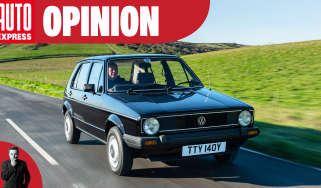
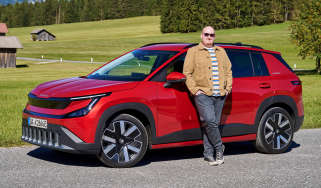
Hands up if you had the launch of a petrol-powered city car – complete with three pedals and a six-speed manual gearbox on your 2025 bingo card? I didn’t. But the fashionistas at Fiat have delivered one with the new 500 Hybrid.
The automotive landscape has changed so much this year. Plateauing demand for EVs means car makers who’d placed all their chips on electric as little as 12 months ago, are now questioning their strategies, with some delaying their commitment to a zero-emission future.
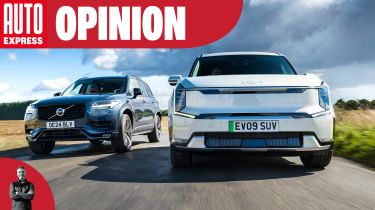
Porsche promised plenty with its Macan and Cayenne EVs, yet will continue to offer ICE alternatives – at least for the foreseeable future. Lamborghini will soon confirm plans to build the long-awaited Lanzador as a PHEV rather than an EV, while JLR’s Range Rover Electric and Jaguar Type 00 have both been delayed well into next year.
It seems Mercedes backed the right horse, though. The latest CLA sits on a new, multi-fuel platform, allowing the firm to adapt production according to demand – something that will surely safeguard its small cars in years to come. BMW, as well, will build petrol and electric versions of every Neue Klasse model from 2026 on.
Mainstream makers like the Stellantis brands – Fiat included – are throwing mild-hybrid engines into everything from city cars to seven-seat SUVs, too.
I wouldn’t bet on a V8-engined Tesla Model 3, but another plug-in hybrid Polestar surely isn’t out of the question? Indeed, it might be enough to turn around the fledgling maker’s fortunes – the tech exists within its Geely parent company. The convenience (and price) of petrol power still resonates with the car-buying public.
Further reason to postpone the transition to electric cars came with the Government’s Budget in late November, as Chancellor Rachel Reeves confirmed that, from 2028, EV drivers will be charged an additional three pence per mile – on top of flat-rate VED road tax and home or public charging costs. We’ve done the sums and, put it this way, the incentives to choose an EV are dwindling by the day. The EU certainly seems to think so, having rowed back on its planned 2035 ban on the sale of new petrol and diesel cars. And while the UK is holding firm on its own ban for now, pressure seems to be mounting.
We don’t want to stop, or even slow, the transition to net zero. All we ask for is for sensibly priced and fuel-appropriate models for real car buyers. If that means a more plentiful supply of petrol superminis, or a flurry of hybrid hatchbacks, then so be it.
Get even more from Auto Express, follow our channels...
• Google
• Reddit
• Whatsapp