What is the luxury car tax? Expensive Car Supplement explained
Certain more expensive cars cost an additional £440 per year to tax. Here’s everything you need to know about the Expensive Car Supplement.

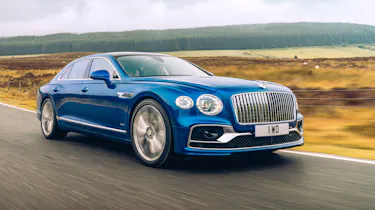
The luxury car tax, also known as the Expensive Car Supplement, is an additional amount of Vehicle Excise Duty road tax that must be paid in the UK. It is applicable to petrol or diesel vehicles with a total purchase price of over £40,000 or electric cars with a total price of over £50,000.
The Expensive Car Supplement threshold was increased to £50,000 for electric and zero-emission vehicles in 2026. This was done to encourage EV sales and to reflect the fact that electric cars are often more expensive than their internal combustion equivalents.
The luxury car tax currently stands at £440 and is paid on top of the flat £200 annual rate for VED road tax. This means a car which is subject to the Expensive Car Supplement will cost £640 per year to tax between years two and six of a car’s life.
Read on to learn more about the Expensive Car Supplement…
How does road tax work?
In the UK cars are taxed annually under the ‘road tax’ system that’s officially known as Vehicle Excise Duty (VED). There are different rules and tax bands governing how much tax you pay depending on the age of your car.
Cars which are 40 years of age or older are tax exempt, while cars from the 2000s generally pay based on their CO2 output. Cars registered after 1 April 2017 currently pay a standard rate of £200, but adjustments are made based on various factors.
What is the luxury car tax?
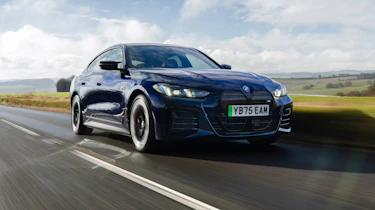
Under the Expensive Car Supplement or 'luxury car tax', cars that cost £40,000 or more when new will pay an additional £440 annually for five years. This starts from the first VED car tax payment that’s made when the car is a year old.
This means the total road tax for any car costing over £40,000 is £640, paid every year until the car is six years old. Once the car reaches six years old you no longer need to pay the additional £440 luxury car tax and only the standard VED tax rate applies.
Whether or not a car goes over the £40,000 barrier for petrol, diesel and hybrid cars, or the £50,000 one for electric and zero-emission vehicles depends on its P11D value. This is the car’s official price including any optional extras added and does not include any discounts on the price negotiated between the dealer and the customer.
Are electric cars liable for Luxury Car Tax?
Electric cars costing £50,000 or more have to pay the Expensive Car Supplement thanks to changes made to VED road tax in 2025.
EVs in general are no longer VED tax exempt and will pay the lowest first year rate of £10, rising to £200 from the second tax payment onwards. If applicable, the £440 Expensive Car Supplement is then applied on top of this in years two to six.
Luxury car tax examples
Let’s look at a couple of luxury car tax examples to explain things more clearly:

Because the tax applies based on list price including options, a petrol, diesel or hybrid car costing £39,000 with £2,000 of optional extras will attract the luxury car tax, but the same car without any options fitted will not.
A petrol, diesel or hybrid car that has a list price of £41,000 will always attract the tax even if you only pay £39,000 because of dealer discounts, incentives or promotional offers.
You can check manufacturer list prices in the relevant brochures for the most accurate information, although the data is also widely available online.
The same rules apply to electric and zero-emission vehicles. So an EV costing £49,000 with £2,000 worth of optional extras will incur the luxury car tax, while the same car without any options fitted will not.
Expensive Car Supplement isn’t only on expensive cars
Rapid inflation on car prices since the introduction of the Expensive Car Supplement in 2017 means that this tax is now applied to many models not seen as being particularly luxurious.
Even higher-spec versions of mainstream models like the Hyundai Tucson, Ford Kuga and Volkswagen Golf can now easily incur the luxury car tax once some optional extras are fitted. Many consumer and automotive industry bodies feel it should be increased for all cars to reflect the rise in car prices. The 2026 increase was only for EVs.
How to avoid paying the Expensive Car Supplement
If you’re thinking of buying a new car costing around the £40,000 mark, or £50,000 for an EV, you need to work out if the list price will be above that barrier with your chosen options added.
If it’s close, you could save money by removing one or two of them to avoid paying the Expensive Car Supplement. Alternatively, you could move down a trim level or two and add the optional extras to that cheaper version.
Do you have to pay the expensive car supplement on used cars?
Yes. The Expensive Car Supplement is applied to the car, not the owner. That means if you buy a used car that costs over the threshold when it was new and is therefore liable for luxury car tax, you will need to pay it every year until the car is six years old.
Likewise, because the Expensive Car Supplement is simply an extension of VED road tax, if you sell a car before it is six years old, responsibility for taxing the car passes to the new owner. You will be able to reclaim any unused tax paid for the remainder of the year as you would with VED.
The future of the Expensive Car Supplement
As mentioned above, there have been very few alterations made to the level at which the Expensive Car Supplement, aside from increasing the threshold to £50,000 for EVs and zero-emission vehicles from 1 April 2026.
Many consumer and automotive industry bodies feel that the £40,000 threshold for petrol, diesel and hybrid vehicles should be increased to reflect the inflationary rise in car prices. However, it’s unlikely the UK Government will increase the threshold for non-EVs in the short term.
Our Car Tax Checker tool lets you check your tax status and renewal date in seconds. Check your VED car tax now...