Polestar 0 and the quest for the carbon neutral car
Polestar wants to build a truly carbon neutral car by 2030 and although it’s a huge challenge, the Polestar 0 project means business

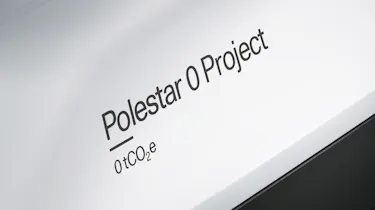
Since 2021, Polestar has been working on the Polestar 0 project. Its aim is simple, to produce a carbon neutral car by 2030, but getting there is anything but.
It’s worth remembering why the global automotive industry is in the throes of an electric car revolution. Carbon emissions are causing climate change with its catalogue of undesirable side effects. Petrol and diesel cars are a major source of the harmful emissions that are heating the planet and electric cars are a clean, viable and relatively painless alternative. But electric cars are not carbon neutral.
To be truly carbon neutral a car needs to emit no CO2 throughout its manufacturing, use and end-of-life phases. If charged from sustainable power sources, electric cars can manage the middle one. To achieve those goals that bookend the use phase, the focus needs to be on materials and manufacturing techniques. That’s the essence of the Polestar 0 project.
Since 2021 Polestar has been working towards a carbon neutral car. It led the way in publishing whole-life emissions data for the Polestar 2 and Polestar 4 models, underlining the scale of the challenge. With a 2 generating 25 tonnes of CO2 over a typical lifetime powered by 100% sustainable energy sources and the new Polestar 4 (a larger car) generating 21 tonnes, progress has been made but there’s a long way to go.
The Polestar 0 project has a clear timeline mapped out. We’re currently in the research phase that’s destined to run until 2025. This involves looking carefully at the supply chain and manufacturing processes and identifying areas where no carbon neutral solution currently exists. Once these areas are pinpointed, Polestar is actively seeking and working with partners to develop answers.
From 2025, Polestar 0 enters the applied science phase; this means validating the technologies and developing the production processes needed. From 2027 to 2030, the focus will shift to product development because Polestar 0 will eventually become a ‘high-volume production car’.
Polestar 0 needs ‘closed loop’ materials to achieve its goal, high quality components made of substances that are 100 per cent recyclable with no waste. Aluminium is a favourite, it’s used for the bonded chassis of the new Polestar 5 but there are different grades of aluminium with specific qualities and recycling plants don’t distinguish. The result is recycled aluminium that isn’t of a sufficiently high grade for certain applications but Polestar has developed a solution. By sorting and labelling aluminium according to grade, high grade material can be recycled into a high grade product – a closed loop material.
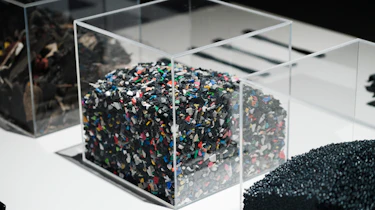
Steel is notoriously carbon intensive to create but not the ‘fossil-free’ steel from Polestar 0 partner SSAB. The company uses hydrogen fuel to process iron ore into steel for use in automotive components. Polestar is also pioneering bio-plastics that mix carbon derived from plant matter with recycled plastic to create new plastic materials that can be recycled again and again.
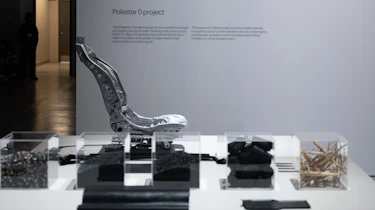
Paper Shell is another advanced new material in the Polestar 0 catalogue. It’s created using waste products from the paper manufacturing process and effectively turns them back into a kind of wood. Multiple thin layers of the material are pressed in mould at pressures so high the layers merge into a single solid. It has a natural wood-like colouring but is stronger than wood or plastic and half the weight of aluminium. It’s more like an organic composite and has many potential applications throughout the vehicle – both out of sight and as an aesthetically pleasing trim for interiors. The Paper Shell can be recycled or broken down organically with fungus and actually returned to the earth from whence it came.
Partnerships have also been struck with automotive suppliers Autoliv, ZF and ZKW, to develop climate-neutral seatbelts, airbags, electric motors, electrical systems and more for the project. Polestar extended an open invitation to any other automotive suppliers who would be interested in working with its team, too.
Most car manufacturers offset their carbon emissions by planting trees or undertaking other green initiatives. Polestar CEO, Thomas Ingenlath, has gone on record arguing that true carbon-neutrality would require manufacturers to rethink how their cars are built; especially after climate experts are raising questions over the long-term carbon storage capability of forests.
“Offsetting is a cop-out,” said Ingenlath. “By pushing ourselves to create a completely climate-neutral car, we are forced to reach beyond what is possible today. We will have to question everything, innovate and look to exponential technologies as we design towards zero.”
Ingenlath continued, saying: “Consumers are a huge driving force in the shift to a sustainable economy. They need to be given the right tools to make informed and ethical decisions. This makes things very clear. Today, the Polestar 2 leaves the factory gates with a carbon footprint. In 2030 we want to present a car that does not.”
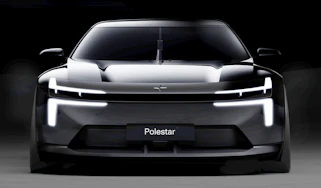
And what form will the Polestar 0 actually take? The simple answer is that we don’t know. Asked about the design of the 0, Polestar design boss Maximilian Missoni quoted the project’s own clearly defined timeline. “Design is hands off at this stage, I'm not excluding or including anything,” he said. “Project 0 will be a car, a different type of car.”
Polestar may ultimately miss its 2030 target but its progress in developing and raising the profile of truly sustainable materials seems certain to move the car industry in the right direction. The carbon neutral car is going to be fiendishly difficult to achieve but a different kind of car seems to be within grasp.
Now read our review of the pure-electric Polestar 2...