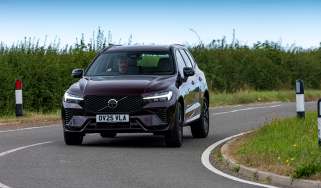
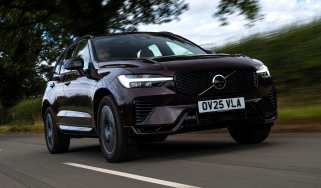
New Volvo XC60 PHEV boasts a whopping 124 miles of EV range
The Volvo XC90 also gets the new plug-in hybrid powertrain, with the large SUV capable of 99 miles of pure electric range

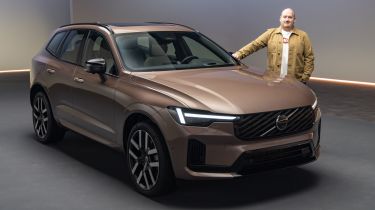
The Volvo XC60 and Volvo XC90 now boast among the longest ranges of any plug-in hybrids in the world, thanks to the addition of a new powertrain that should allow owners to do an entire week’s worth of commuting without using a drop of petrol.
Volvo’s new, aptly named ‘long-range plug-in hybrid’ powertrain provides up to 124 miles of pure-electric driving range in the mid-size XC60 and 99 miles in the larger, seven-seat XC90 – two-and-a-half times what the brand’s old PHEV set-up could deliver in the pair. In-house range-extender rivals from Lotus and Zeekr can top it for electric range, however: the Chinese Eletre X packs a significantly bigger battery for more than 200-miles of zero emissions running.

According to Volvo, with this new powertrain the XC60 can cover up to 770 miles on a full tank of petrol and a fully charged battery, while the XC90 is good for more than 680 miles non-stop.
What makes this possible is a massive new 41.2kWh battery (37.9kWh usable capacity), which is more than double the size of the unit these cars used to have – and slightly larger than even the formidable plug-in hybrid Range Rover Sport’s 38.2kWh gross battery.
For other plug-in hybrid rivals, the BMW X3 uses a 19.7kWh battery that provides up to 56 miles of zero-emission driving, the all-new BMW X5 gets a 26.5kWh battery pack good for around 60 miles in EV mode, and the latest Audi Q7 should offer a similar range from its 25.8kWh power pack.
But despite being so much bigger, Volvo’s new battery doesn’t take up any additional boot space, because it runs underneath the floor, as it would in an electric car. This has the added benefit of lowering the car’s centre of gravity, which should improve its handling.
On top of that, it supposedly doesn’t take much longer to charge the larger unit, with Volvo claiming a full top-up should take four hours from a home wallbox. However, unlike some other plug-in hybrids, the XC60 and XC90 aren’t getting rapid-charging abilities, which is surprising given the size of its battery and EV driving abilities.
As before, the huge battery feeds one electric motor, but it’s now more powerful, producing 177bhp and 390Nm of torque. It works together with a 2.0-litre turbocharged four-cylinder petrol engine (also the same as before) to deliver a total of 351bhp in the ‘T6 long-range PHEV’ set-up (which is only available in the XC60) and 456bhp in ‘T8 long-range PHEV’ version offered in both cars.
Equipped with the new powertrain, the up to 2.5-tonne XC90 can hurl itself from 0-62mph in only 5.2 seconds – quicker than a VW Golf GTI – while the same sprint in the XC60 takes as little as 4.8 seconds.
This isn’t the same range-extender system found in the new Volvo XC70, which is only sold in China and uses the engine solely as a generator for its e-motors and battery. The XC60 and XC90 can still rely on their petrol engine to drive the wheels when needed, providing “power for quick getaways”, says Volvo. The big Lotus hybrid has the same capability in extreme cases.
There are several reasons why Volvo hasn’t gone down the range-extender route here, but it’s mainly because the company wanted the new XC60 and XC90 to feel like the old versions did before from behind the wheel. “If you’re coming from today’s hybrid XC60 into this new one, the thing you should notice is the range, not anything else. The car should drive the same, if not better,” Darrel Pugh, commercial product lead at Volvo, told us.
The XC60 and XC90 will also still be available with a ‘B5’ mild-hybrid petrol engine, for those who don’t want the hassle of charging. Whichever you pick, every model features an eight-speed automatic transmission and all-wheel drive.
Volvo XC60 styling and interior upgrades
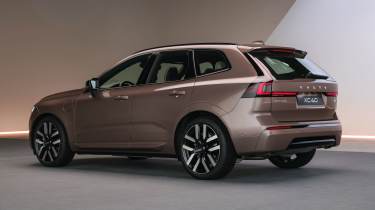
Even though the Volvo XC60 – the Swedish firm’s best-selling model of all time – was facelifted just last year, it has received another makeover alongside the new plug-in hybrid system.
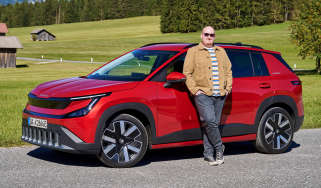
This time, the company has redesigned the entire front end, including the bonnet, wings, bumper and grille, with the goal being to give the mid-size SUV a more dynamic but still refined look. There’s also a new sharper and sleeker interpretation of Volvo’s signature ‘Thor’s Hammer’ headlights, with matrix LED tech and a distinctive two-piece design shared with the newly revamped Volvo XC40.
The tailgate and tail-lights have also been updated, along with the rear bumper, to emphasise the width of the XC60 and give it a more confident stance. There are some new alloy wheel designs too, including an aero-optimised 20-inch set to help maximise range, and an eye-catching Heather Bronze metallic paint option that changes hue depending on the light conditions.
Volvo has avoided giving the new XC60 more of a resemblance to its all-electric equivalent, the cutting-edge EX60. Designer Alain Snoodijk explained to Auto Express: “A car really needs to have a special character to stand out.”
He also said, “Of course, it’s Scandinavian design, but we all have our own idea about what that is. And a designer by their nature tries to be creative and push the boundaries, so none of us will take something and merge it with another, because that’s the easy way out, right?”
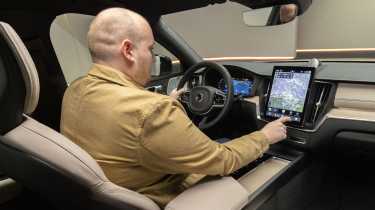
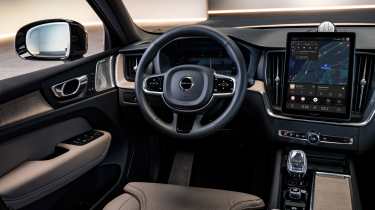
Inside, the 11.2-inch portrait touchscreen is running Volvo’s latest user interface, which is supposed to be more intuitive, with fewer taps required to find stuff, and assistance from Google’s AI helper Gemini.
The instrument panel, dashboard and door panels have been redesigned, wood trim and Cardamom ventilated Nappa leather are now available, and indirect ambient lighting has been added to create a more sophisticated ambience in the already premium cabin.
The radars, cameras and sensors around the XC60 have also been upgraded, improving the automatic emergency braking and various other safety systems, and unlocking new driver-assistance functions including lane-change assist and a 360-degree camera.
The Volvo XC90, which was last updated in 2024, hasn’t received any styling changes or interior remodelling like its smaller siblings. However, it also now comes with Gemini AI onboard, which helps with route planning and is claimed to provide natural conversation.
The addition of the much bigger battery and upgraded tech will almost certainly increase the price of the plug-in hybrid XC60 and XC90, which start from nearly £57,000 and £74,000, respectively, at the moment. But exactly how much more expensive they will be is unclear at the moment. We won’t have to wait long to find out, because the pair are set to go on sale before the end of the year.
Did you know you can sell your car through Auto Express? We’ll help you get a great price and find a great deal on a new car, too.